Welcome to the enchanting world of Renaissance Faires, where history comes alive amidst a tapestry of costumes, music, and festivities.
One of the most delightful aspects of attending a Renaissance Faire is the opportunity to dress up in period-inspired attire.
Whether you’re drawn to the elegance of historical accuracy or eager to infuse a touch of fantasy into your ensemble, choosing the right costume can truly elevate your experience.
Historical Accuracy vs Creative Interpretation
When selecting a costume for a Renaissance Faire, you’ll encounter a spectrum of choices ranging from meticulously researched historical replicas to whimsical interpretations straight out of fantasy realms. The key is finding a balance that respects the era while allowing for personal creativity. Whether you opt for the attire of a noble lord or lady, a humble peasant, or a daring adventurer, each costume contributes to the immersive atmosphere of the faire.
Popular Renaissance Era Costumes
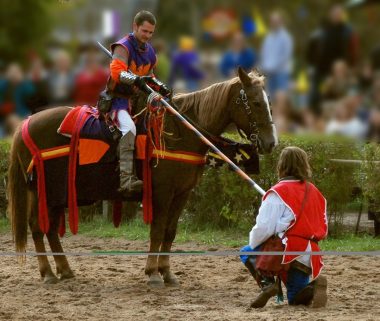
Men’s Costumes: Embrace the rugged charm of a medieval knight with a doublet, hose, and a sturdy pair of boots. Alternatively, channel the intellect and refinement of a Renaissance scholar with a cloak and a feathered hat. Accessories such as belts, pouches, and even period-appropriate weaponry can add authenticity to your look.
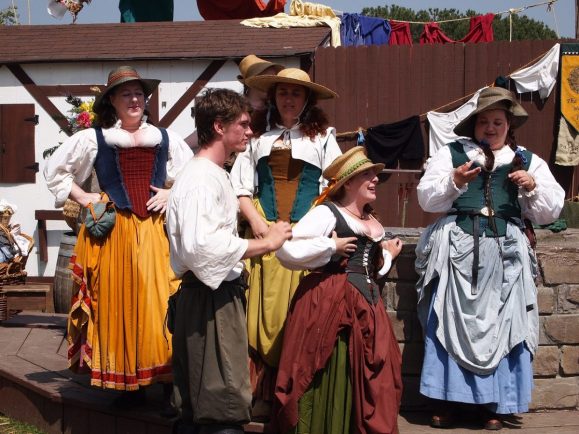
Women’s Costumes: Ladies can embody the grace of a Renaissance noblewoman in a corseted gown paired with intricate jewelry and a veil. Click on this link for a guide to wearing renaissance corset. For a more rustic charm, consider dressing as a tavern wench with a bodice, layered skirts, and practical accessories like a basket or a scarf. The options are as varied as they are delightful, allowing you to explore different facets of Renaissance fashion.
DIY Costume Tips
Creating your own Renaissance costume can be a rewarding experience, even if you’re not a seasoned seamstress or tailor. Start by selecting fabrics like linen, cotton, or wool, which were commonly used during the Renaissance period. Online resources and historical costume patterns can guide you through the process of sewing garments such as tunics, dresses, and capes. Don’t forget to add authentic touches like hand-stitched embroidery or period-appropriate closures for a truly immersive effect.
Accessories and Details
No Renaissance ensemble is complete without the right accessories. For men, belts with decorative buckles, leather pouches for carrying essentials, and period-specific hats or caps can add flair to any costume. Women can enhance their look with jewelry such as necklaces, earrings, and bracelets, as well as practical items like fans or small purses. Depending on the character you’re portraying, consider adding props such as goblets, scrolls, or even a small lute to further enrich your costume.
Fantasy and Non-Historical Costumes
While historical accuracy is a hallmark of Renaissance Faire attire, there’s also room for creativity and fantasy. Imagine yourself as an elven archer, a mystical wizard, or a faerie princess. Incorporate elements of fantasy into your costume while still respecting the overall atmosphere of the faire. Mixing historical fashion with imaginative themes can result in a truly unique and memorable ensemble that sparks conversation and admiration.
How to Plan a Day at the Renaissance Fair
Are you suddenly overwhelmed by everything that’s happening at the Renaissance fair? Indeed, these can be huge events and they aren’t something you can just attend on a whim. Instead, you should plan out your day carefully. While this can seem regimented, most people agree it’s beneficial since the ensure they make the most of their day and do everything they want to. Whether you’re excited about the shopping and dining opportunities or you want to join in with the various costume competitions, planning is the key to success.
So, how do you plan your day at the Renaissance fair? This is something you want to do in advance of the event. Here are some tips to help you get started.
Look at the Activities
First, take a look at all of the activities happening throughout the day. You want to select the activities that interest you, whether this is shows you can watch or competitions you can join in. Then, you can write down all of the activities that you want to enjoy and make them a priority for your experience. There are often so many things happening at a Renaissance fair that it’s difficult to know about them all on the day. So, if you’re planning ahead, you’re not going to miss out.
Create Your Own Schedule
Now that you know what activities you want to do, it’s time to plan your day. You need to take note of what times certain activities are on and work around them. Indeed, you’ll have to strategically plan when you’ll visit certain areas, taking note of the map and their location. The idea is that you have a seamless plan in place where you’re utilising all your time. Don’t forget to include rest and beverage times in your plan so you can refresh.
Get There Early
One of the most important things you can do when planning your day is to get to the Renaissance Fair early. This is when it’s going to be when it’s the quietest and you’ll find that it’s much more relaxing to walk around. So, start the day positively by getting to the entrance for opening time.
Conclusion
Choosing a costume for a Renaissance Faire is more than just donning clothes—it’s about embodying a character, embracing history, and adding to the vibrant tapestry of the event. Whether you prefer the elegance of a noblewoman’s gown, the rugged charm of a knight’s armour, or the whimsy of a fantasy character, your costume reflects your enthusiasm for the Renaissance era and enriches the overall experience for yourself and fellow faire-goers. So, gather your garments, adorn yourself with accessories, and step into a world where the past meets present in the most delightful of ways.