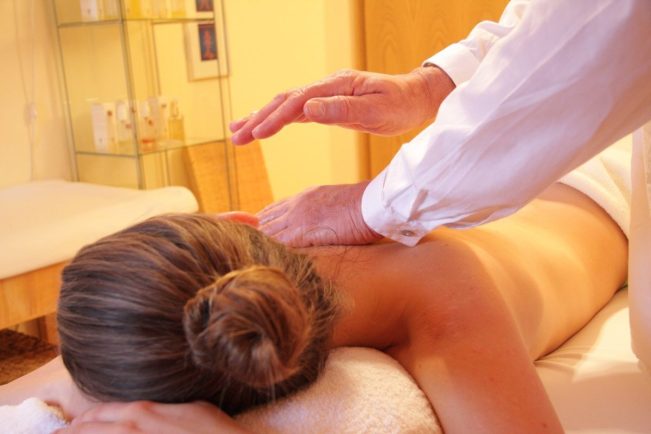
Choosing the right type of massage can make all the difference in achieving your health and wellness goals.
With so many techniques available, from relaxing Swedish massages to therapeutic deep tissue treatments, understanding which one suits your needs best is essential for maximizing the benefits of your massage experience.
Understanding Different Types of Massages
Before diving into which massage might be best for you, let’s explore some popular options:
Swedish Massage: Known for its gentle, flowing strokes, Swedish massage promotes relaxation and eases muscle tension.
Deep Tissue Massage: Targets deeper layers of muscles and connective tissue to address chronic muscle pain and stiffness.
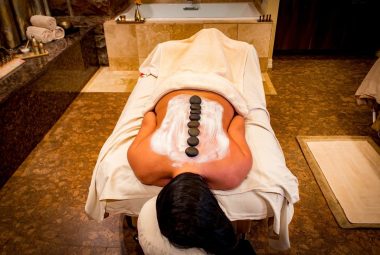
Hot Stone Massage: Uses heated stones to enhance relaxation and relieve muscle tension.
Sports Massage: Focuses on areas of the body used in a particular sport to aid in recovery and prevent injuries.
Thai Massage: Combines stretching and gentle pressure to improve flexibility and energy flow.
Each type of massage offers unique benefits, so understanding these distinctions can help you choose the one that aligns best with your wellness goals. Don’t forget that there are additions you can make, such as aromatherapy. Click on the link for comparing essential oil and carrier oil.
Assessing Your Needs and Goals
Before scheduling your massage, consider what you hope to achieve from the session. Are you looking to relax and unwind? Do you have specific areas of pain or tension that need attention? Understanding your objectives will guide you in selecting the most appropriate massage technique.
For example, if you’re dealing with chronic muscle tightness or recovering from a sports injury, a deep tissue or sports massage might be ideal. On the other hand, if you simply want to relieve stress and promote overall relaxation, a Swedish or aromatherapy massage could be more suitable.
Matching Techniques to Needs
To determine which massage technique matches your needs best, think about your comfort level with pressure and touch sensitivity. If you prefer a lighter touch, Swedish or aromatherapy massages may be more enjoyable. If you crave deeper muscle work, a deep tissue massage could provide the relief you seek.
Additionally, consider any special preferences such as incorporating aromatherapy oils or hot stones into your massage session. These enhancements can further personalise your experience and enhance the therapeutic benefits.
Ways You Can Talk to Your Massage Therapist
Are you nervous about talking to your massage therapist? While mobile massages are great for creating a comfortable environment, you still have the experience of meeting someone new and communicating with them. Often, if you’re new to this type of activity, you can be nervous about saying what you want and voicing your needs to them. But, if you want to make the most of your massage, you need to learn how to talk to this professional. They’re there to help you. Here are some tips on how you can talk to your massage therapist.
Know Your Goals First
Before your therapist arrives, think about what your goals are with massage. Do you want to target specific areas where you feel tension and pain? Are you just looking for a relaxing experience after a tough time at work? Knowing what you’re looking to set out and achieve can give you confidence when speaking with your therapist. You’ll know what you need to discuss when they ask you questions.
Let Them Know You Are a Beginner
A lot of people are frightened to tell their therapist they’re new to this experience. But, this can be highly beneficial for communication. When you say you’ve never had a massage before, the therapist will spend more time explaining things and will ask you more questions. After all, they want to ensure you’re comfortable and enjoy the experience. Indeed, you can learn a lot from this session when you’re honest. So, voice your experience at the beginning of the appointment and benefit by the end.
Talk Like a Friend
It’s normal to feel nervous ahead of a massage appointment. You don’t know what to expect and you’re going to be lying down on a table. But, you don’t have to think about it as a big deal. Instead, imagine your therapist is like a friend. Talk to them casually and they’re going to give you the same energy back. You won’t have to do a lot of talking during the massage. So, you can keep it friendly and light beforehand.
Conclusion
Choosing the right type of massage involves understanding your goals, preferences, and the benefits of each technique. By taking these factors into consideration and consulting with a professional massage therapist, you can ensure a fulfilling and effective massage experience that supports your overall health and wellness.