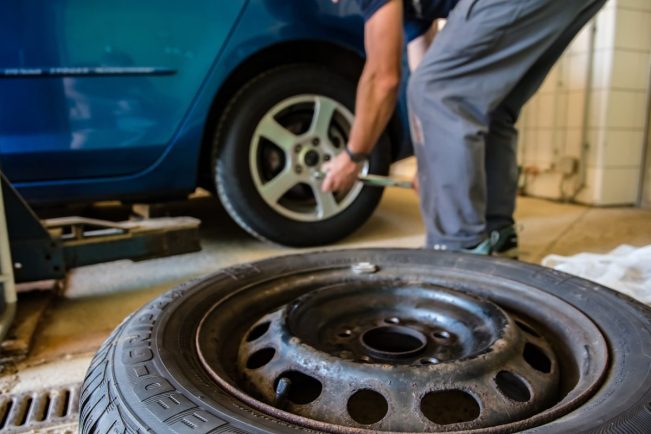
Why Change to Winter Tyres?
Many drivers in the UK underestimate the importance of switching to winter tyres during the colder months.
While summer tyres are excellent for performance in warm conditions, their rubber compound becomes hard and inflexible as temperatures drop, significantly reducing their grip on the road.
This is where winter tyres, also known as snow tyres, prove their worth.
Automotive experts from AUTODOC say: “Broadly speaking, there are two main differences between summer and winter tyres. You will see these by looking at the different treads. In contrast to summer tyres for car, winter tyres have so-called sipes. This refers to very fine, mostly zigzag-shaped grooves on the tread blocks. These interlock with ice and snow in winter weather and therefore provide considerable protection against sliding. Not visible, but just as important, is the softer rubber compound of the winter tyres. This means that the tyres maintain enough grip even at low temperatures, whereas in the summer heat they lead to more abrasion and a significantly longer braking distance. If you are thinking ahead, you can buy winter tyres now and get ready for the colder season in advance”.
This softer rubber compound, combined with a deeper, more aggressive tread pattern and the presence of sipes, allows winter tyres to maintain a high level of traction on cold, wet, icy, and snowy surfaces. They provide a much-needed safety margin, reducing braking distances and improving handling, which can be the difference between a safe journey and an accident.
When to Change Tyres?
The general rule of thumb for changing from summer to winter auto tyres is based on temperature, not on the presence of snow. The performance of summer tyres begins to deteriorate significantly once the temperature consistently drops below 7°C. Therefore, it is recommended to make the switch to winter tyres when average daily temperatures fall below this threshold, which in the UK is typically from late October or early November.
Conversely, you should switch back to your summer tyres when the temperature rises above 7°C, usually around March or April. Driving on winter tyres in warmer weather will cause them to wear out much faster due to their softer compound, and it will also negatively affect your vehicle’s fuel economy and handling.
How Do You Know When It’s Time to Change to Winter Tyres?
Beyond the temperature rule, there are several key indicators that it’s time to fit winter tyres. If you notice a significant decrease in your car’s grip on cold, wet roads, or if the vehicle feels less stable when cornering, it’s a clear sign that your summer tyres are no longer performing optimally.
Another simple way to know is by checking the temperature gauge in your car or a weather app on your phone. If the external temperature is consistently below 7°C, it’s time to act. It’s better to be proactive and change your tyres before the first frost or snowfall hits, as this will help you avoid the rush at garages and ensure you’re prepared for the worst of the winter weather.
Tips for Choosing Winter Tyres for the UK
Choosing the right winter tyres is crucial. The size and type of tyre are paramount. The first step is to consult your vehicle’s manual or the sticker in the driver’s side door jamb to find the correct tyre size. AUTODOC says that tyres 205 55 r16 may fit a variety of vehicles, but it’s essential to check the specific requirements for your car.
Look for tyres that are specifically designed for winter conditions in the UK. This means they should have the “M+S” (Mud and Snow) marking and, for the best performance, the three-peak mountain snowflake (3PMSF) symbol. The 3PMSF symbol indicates that the tyres have been tested and certified to provide superior performance in severe winter conditions. It is also important to consider the brand and quality of the tyre, as a higher-quality product will offer better performance and last longer.
You can also opt for all-season tyres if you live in an area with milder winters and don’t want the hassle of switching tyres twice a year. However, all-season tyres are a compromise and do not offer the same level of grip and safety as dedicated winter tyres in truly harsh conditions.
How to Prepare Your Car for Winter Conditions?
Changing your tyres is a significant step, but it’s just one part of preparing your car for winter. A comprehensive winter check-up is highly recommended. This includes:
- Checking your anti-freeze: Ensure your coolant is at the correct level and has the right concentration to prevent your engine from freezing.
- Inspecting your battery: Cold weather can be hard on car batteries. Have it tested to ensure it can cope with the increased demand.
- Checking your wipers and screenwash: Worn-out wipers can impair visibility in rain and snow. Make sure your screenwash is topped up with a winter-specific fluid that won’t freeze.
- Ensuring all your lights are working: With shorter daylight hours, it’s crucial that all your headlights, brake lights, and indicators are in good working order.
- Stocking a winter emergency kit: A well-prepared kit should include a de-icer, an ice scraper, a small shovel, a torch, a blanket, and a portable battery pack for your phone.
Conclusion: Safety First
The UK’s climate can be unpredictable, and a mild autumn can quickly turn into a harsh winter. By being proactive and fitting winter tyres, you are making a crucial investment in your personal safety and the safety of others on the road. The superior grip, reduced braking distances, and enhanced stability that winter tyres provide are invaluable in cold, wet, and icy conditions.
While the initial cost and the hassle of switching tyres may seem off-putting, the peace of mind and the reduced risk of an accident are priceless. Remember, a set of quality winter auto tyres will last for several seasons, and the cost is often offset by the extended life of your summer tyres, which are not being used. Do not wait for the first snowfall to realise you should have made the change. Prioritise safety, prepare your vehicle, and you will be ready to face the challenges of winter driving in the UK with confidence.