
Investment in British manufacturing has dropped sharply, marking a setback for Chancellor Rachel Reeves just weeks before she delivers her second Budget.
According to new figures from industry body Make UK, spending on plant and machinery has fallen from a 10-year high in 2024 to its lowest level since 2017.
The data indicates that factory investment intensity, measured as a share of manufacturers’ turnover, has declined from 8.1% to 6.8%, reflecting growing caution among businesses amid uncertainty over future tax policy.
Make UK described the situation as a “critical juncture” for the sector and attributed the fall in investment to “frequent changes to tax policy.” The organisation warned that billions of pounds in essential spending are being postponed, threatening economic growth prospects.
Fhaheen Khan, Senior Economist at Make UK, said:
“It’s clear that we’re at a critical juncture for investment, and there is a real sense of urgency. The forthcoming Budget must not only safeguard current incentives but refine them with a set of carefully targeted measures to focus on boosting the take up of accelerating technologies and innovation.”
“Furthermore, the statement should end the frequent tax changes to incentives we have seen in recent years by committing to a business tax regime which is set in stone for the lifetime of this Parliament.”
The decline follows record investment levels last year and represents the weakest performance since the aftermath of the Brexit referendum, when investment intensity dropped to 6.5% before recovering.
Concerns over potential tax changes
Manufacturers are increasingly concerned that the Chancellor may introduce new taxes or reduce existing incentives as she seeks to address a reported 30 billion pound shortfall in the public finances. While Labour has pledged not to raise income tax, national insurance, or VAT, there are fears that smaller, sector specific measures could be introduced.
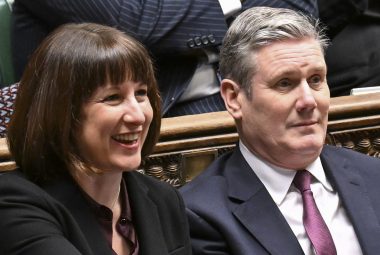 Sir Keir Starmer and Rachel Reeves in Parliament. © UK Parliament / Maria Unger
Make UK said the manufacturing sector faces an “uncompetitive business environment”, pointing to high energy costs, business rates, and increased national insurance and capital gains taxes. The organisation has urged the Treasury to maintain and enhance investment incentives such as capital allowances and R&D tax credits to support innovation and competitiveness.
Mike Thornton, Head of Manufacturing at RSM UK, said:
“UK manufacturers remain optimistic, but to allow them to transform, invest and drive future prosperity they need a helping hand from the government, not more taxes.”
Industrial strategy and sector outlook
Reeves has promoted Labour’s industrial strategy as a plan to revive British manufacturing through lower energy costs and reduced red tape. Make UK said around one in three manufacturers are accelerating investment in areas such as renewable energy and artificial intelligence in response to this strategy.
Manufacturing currently makes up around 9% of the UK economy, but recent figures show the sector shrinking at its fastest pace in five months, driven by high energy prices and global trade pressures.
City of London calls for tax reform
Separately, the City of London Corporation has urged the Chancellor to phase out the bank levy and surcharge, which together raised 1.8 billion pounds last year, arguing that the measures are undermining the City’s competitiveness.
Chris Hayward, the Corporation’s policy chairman, said the government should send the “right signals to wealth creators.” The group also called for the abolition of stamp duty on share trading and suggested that workers be encouraged to invest in UK listed companies through workplace investment schemes, similar to pensions.
Reeves will deliver her Budget on November 26, with business groups watching closely for signs of how the government plans to balance fiscal responsibility with its promise to boost industrial growth.