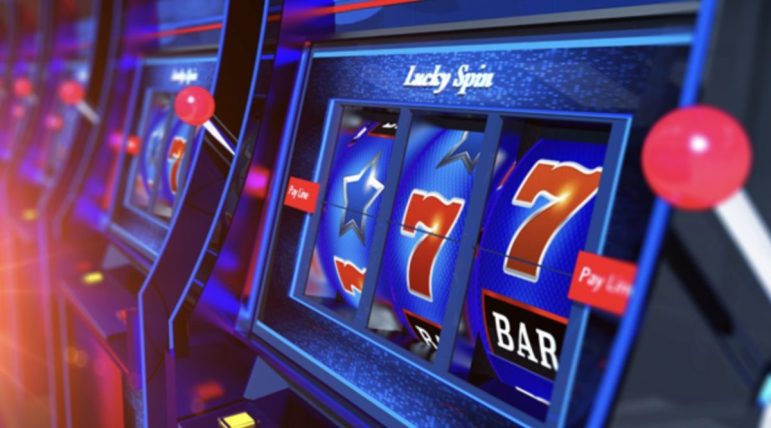
Slot machines pull crowds in casinos and on screens everywhere. People love the sound, light, and promise of a quick win; online versions multiply the choices even more, with every theme and quirk imaginable. The funny thing is, most players don’t really know what’s going on under the hood, or how likely it is they’ll walk away with more than they put in. There are plenty of myths floating around, too. Knowing the basics behind the flashing reels, along with the true odds, makes for less guesswork and helps curb unrealistic expectations, especially as digital slots drop new features every year.
Core Mechanics
What actually decides the outcome of a spin? It’s all down to something called a Random Number Generator (RNG). Imagine it whirring away nonstop, spitting out strings of numbers thousands of times every second. Press “spin” and you freeze the RNG at that exact moment, which then sets where each reel will stop. Each round is its own thing; nothing you’ve played before, or anything coming up, has any impact on what just happened. That was proven back in 2011 by researchers at MIT, and the principle holds true today.
Reels can be physical or digital, but the core process doesn’t change. When you play online slots, you’re dealing with code rather than metal, but randomness remains the heart of the whole process. That crucial detail rules out “timing” strategies or thinking a machine is “due.” All outcomes are sealed by pure chance, not patterns waiting to be cracked.
How Payouts Work
Slot results depend on landing certain symbols along preset lines. These “paylines” run across the machine, sometimes in all sorts of zigzags. When enough of the right symbols land in a line, you get paid out. How much depends on the payout table, which is usually easy to spot. Some results are small, others are much larger, but the rarest combinations deliver the real jackpots.
Modern slots let you pick how many lines to play. If you wager five pence per line across five lines, that’s 25 pence a spin. Covering more lines increases your probability at a match, though it’ll cost more overall. Every machine posts a Return to Player figure (RTP), measured as a percent of money wagered that comes back as outcomes over millions of spins. Most machines fall between 85% and 97%. But that’s an average, not a guarantee for your short session. Behind the scenes, software locks in outcomes for the long haul; luck in the moment has little sway over probability in the grand scheme.
Understanding the Odds
It’s rare for the odds to tilt in the player’s favor. Casinos program their machines to guarantee a small advantage, one that adds up over time. Rules vary by country, but most slots must return at least 85-90% of bets, with the house claiming the rest. With multiple reels and symbols, odds for any significant result stretch mighty thin. For example, matching one symbol across three reels could be 1 in 8,000. Add more reels or symbols, and jackpots slip way out of reach.
Machines don’t build up “pressure” to respond. No memory, no grudge, no “cold” or “hot” sprees; they’re just spinning, random as ever. Players hoping to “work the system” or chase lost money end up playing straight into the odds.
Making Informed Decisions
If you want to play smart, start by treating each spin like a fresh coin toss; history doesn’t matter. Reading the payout table, noting paylines, and checking the RTP gives you some clarity before diving in. Choosing fewer lines or smaller wagers helps your bankroll stretch, though your potential outcomes shrink, too. It’s worth watching for machines that display odds or percentages; that’s a legal requirement in some places these days.
Still, no matter how carefully you plan, the structure always gives the house an advantage in slots. No clever strategy or hunch changes the math.
Playing responsibly
Knowing the odds and the basics is only part of the picture. It’s easy to get hooked, especially after a loss makes you want to recover your money. That’s why setting a firm budget and seeing any wager as just an entertainment cost, not an investment, matters so much. The Gambling Commission recommends pausing regularly and never gambling borrowed money.
This is a submitted article