A NEW road safety scheme is geared at tackling young drivers speeding on rural roads in Warwickshire, particularly the Fosse Way.
With 41 per cent of all collisions occurring on rural roads, the danger often isn’t breaking the speed limit, it’s driving too fast for the conditions, particularly at bends and junctions where visibility and control could be compromised due to inappropriate speeds.
A key element of this Warwickshire County Council initiative is its targeted approach to young drivers, often the most at-risk road user group in rural areas, through tailored education and engagement efforts.
The scheme, developed in collaboration with behavioural science consultancy SoMoCo, is designed to address both illegal and inappropriate speeding, particularly among young and newly qualified drivers, who are statistically at higher risk of road traffic collisions.
Despite representing just eight per cent of Warwickshire’s driving population, young drivers account for 21 per cent of crashes and a staggering 31 per cent of fatalities, with rural roads posing the greatest danger.
Warwickshire’s historic Fosse Way is a 36-mile Roman road with a history of over 100 collisions in the last five years. It largely follows the modern B4455 road, traversing the county southwest to northeast, entering from Gloucestershire near Stretton-on-Fosse, passing near Stratford, Warwick, and Kenilworth, and terminating at the A5 Watling Street near High Cross, on the Leicestershire border.
WCC’s transport spokesperson Coun Jennifer Warren said: “What sets our approach apart is that we are addressing the ‘why’ behind speeding and the ‘how’ we combat it, not just the ‘what’.
“By using the data provided by the audit, we’re combining traditional engineering solutions with advanced behavioural science to create an evidence-based strategy for changing how people drive in rural areas to tackle their speeding.”
The audit identified key behavioural traits of speeding drivers and highlighted opportunities for targeted interventions. The result is a scheme that not only improves physical road infrastructure but also influences driver behaviour at both conscious and subconscious levels.
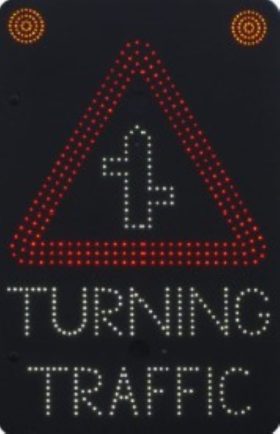
Key features of the initiative include engineering upgrades including enhanced signage, road markings, and speed-reducing measures at high-risk junctions and bends, behavioural nudges including instinctive roadside cues designed to subtly guide drivers toward safer speeds, messaging to engage drivers, particularly younger ones, in adopting safer driving habits, and community engagement through digital campaigns and local outreach to shift social norms around rural speeding.