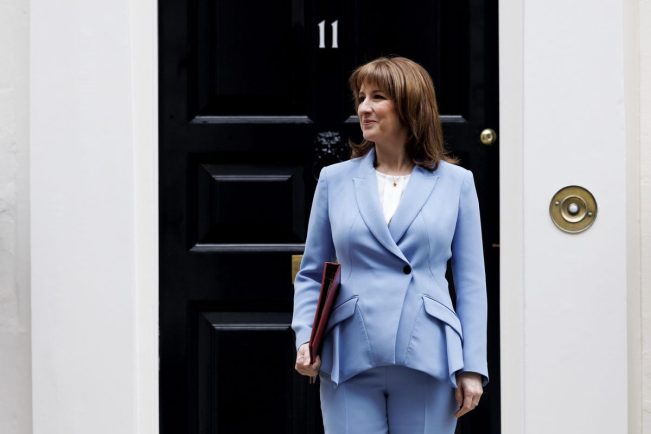
Chancellor Rachel Reeves has told MPs that economic growth will slow this year and unemployment will rise before improving later in the decade, as the Government set out its Spring Statement today alongside updated forecasts from the Office for Budget Responsibility.
The fiscal watchdog downgraded its outlook for the UK economy and warned that escalating conflict in the Middle East, particularly involving Iran, poses a very significant risk to both global and domestic growth.
Global conflict casts shadow over forecasts
The Office for Budget Responsibility said intensifying conflict in the Middle East could have major consequences for the UK economy. It warned that higher energy prices and rising government borrowing costs could undermine its central forecasts.
Recent tensions in the region have already caused market volatility and pushed oil and gas prices higher. The cost of short term government borrowing has risen sharply, marking the steepest increase since October 2024.
The OBR said the situation escalated as it was finalising its report and could have very significant impacts on both the global and UK economies.
Growth revised down this year
Economic growth is now forecast to slow from 1.4 per cent to 1.1 per cent this year, partly reflecting lower migration assumptions. Growth is expected to pick up to 1.6 per cent in 2027 and 2028, before easing slightly to 1.5 per cent in 2029 and 2030.
Over the course of this Parliament, GDP per head is projected to grow by 5.6 per cent. The Chancellor said this would leave people around £1,000 a year better off on average.
However, real household disposable incomes, a key measure of living standards, are forecast to grow by less than 0.25 per cent in 2025 to 2026.
Unemployment to peak at 5.3 per cent
The unemployment rate is expected to rise to 5.3 per cent later this year, equivalent to around 1.9 million people. It is then forecast to fall each year for the rest of the decade, reaching 4.1 per cent by 2029.
Borrowing lower than expected
Public sector net borrowing is forecast to be £18 billion lower than expected at the time of last autumn’s Budget.
The OBR projects borrowing at 4.3 per cent of GDP in 2025 to 2026, falling to 3.6 per cent in 2026 to 2027, 2.9 per cent in 2027 to 2028, 2.5 per cent in 2028 to 2029 and 1.8 per cent by 2029 to 2030.
Tax burden set to rise further
The UK’s tax burden, already at a record high, is set to increase further and more quickly than previously forecast. By the start of the next decade, tax receipts are expected to reach 38.5 per cent of GDP.
Rising debt and interest costs
Government debt is forecast to exceed £3.5 trillion by 2030, up from around £2.9 trillion at present. Despite this, debt is expected to be lower in each year of the forecast period than previously predicted.
Debt interest payments are also forecast to be £3 billion lower by 2029 than earlier estimates suggested. However, the annual bill remains substantial. The Treasury is expected to pay £109.7 billion in debt interest this year, rising to £137.1 billion by 2030 to 2031.
Migration forecasts cut
The OBR has reduced its central estimate for net migration by 60,000 people per year. Annual net migration is now forecast at 235,000, down from 295,000.
As a result, the predicted adult population in 2030 is around 200,000 lower than previously expected.
Inflation to fall, but risks remain
Inflation is forecast to fall from 3.4 per cent in 2025 to 2.3 per cent in 2026, reaching the Bank of England’s 2 per cent target later this year.
The OBR’s forecast assumes falling energy prices, helped by a global surplus of liquefied natural gas. It expects wholesale gas prices to drop by 15 per cent and oil prices to fall by 3 per cent over the next five years.
However, it cautioned that further increases in energy prices linked to the Iran crisis could undermine these projections.
Welfare spending continues to rise
Benefits spending is set to increase by £18 billion, or 5.8 per cent, in 2025 to 2026, bringing the total to £333 billion. It is then forecast to rise by an average of £15 billion a year, reaching £407 billion by 2030 to 2031.
The growth is largely driven by spending on pensions and health related benefits.
Energy support and talks with industry
The Chancellor confirmed that she will meet North Sea business leaders to discuss the implications of the Iran crisis for the oil and gas sector.
Government support for households is also due to take effect this year, including a £150 reduction in energy bills from April.
Presenting her statement, Ms Reeves acknowledged the economic challenges ahead but said the Government remained committed to restoring stability to the public finances while supporting growth.