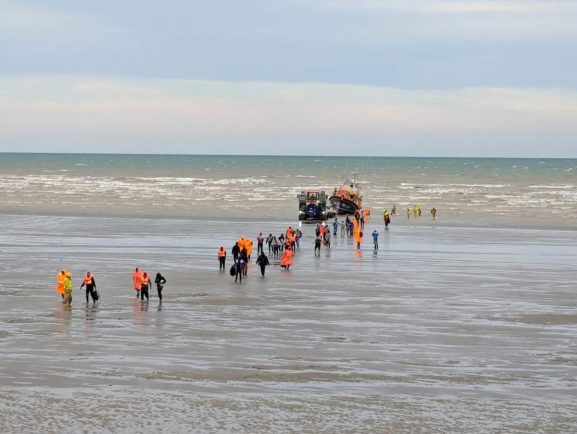
A key agreement between the UK and France aimed at tackling small boat crossings in the English Channel is set to expire tonight, with negotiations over a replacement deal still unresolved.
The £475 million, three year arrangement, first agreed in 2023, has funded French patrols along the northern coastline to prevent migrants from launching boats towards the UK. However, talks on a successor deal have stalled after disagreements over how future funding should be linked to enforcement.
The Home Secretary, Shabana Mahmood, has pushed for any new agreement to include clearer measures of success, including targets on the proportion of crossings stopped. French officials have resisted the proposal, arguing that setting fixed interception rates would be difficult to measure and could risk lives during operations at sea.
The deadlock comes against a backdrop of continued high numbers of arrivals. Since Sir Keir Starmer became Prime Minister in July 2024, more than 65,000 people have crossed the Channel in small boats, according to Home Office figures and published estimates.
Annual totals also remain elevated. More than 41,000 migrants made the journey in 2025, one of the highest yearly figures on record, reflecting ongoing pressures on border enforcement despite joint UK French efforts.
French authorities say changes in smuggling tactics have made prevention harder. In particular, organised gangs are increasingly using so called “taxi boats”, which collect migrants from shallow waters at pre arranged points, reducing the effectiveness of beach patrols.
Under the current agreement, cooperation between the two countries has included surveillance, policing and funding for additional officers. While officials say tens of thousands of attempted crossings have been prevented in recent years, the proportion of successful departures has fluctuated and remains a concern for both governments.
Contingency arrangements are expected to ensure operations continue in the short term if no immediate deal is reached, avoiding any sudden gap in enforcement activity along the French coast.
The issue remains politically sensitive in the UK, with ongoing debate over how best to reduce crossings and manage asylum claims. Opposition politicians have argued for tougher deterrent measures, including revisiting the Conservative’s Rwanda deportation policy, which was cancelled shortly after the Labour Government took office.
Variants of offshore processing and third country arrangements are also being discussed internationally. The United States has explored similar approaches in recent years, while several European countries are considering new policies as they respond to rising migration pressures.
For now, officials on both sides of the Channel are continuing negotiations, with the aim of reaching a new agreement that maintains cooperation while addressing differences over enforcement expectations.