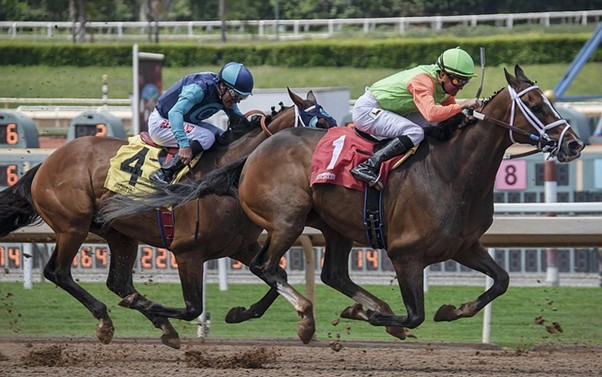
The 2026 Preakness Stakes marks a significant shift in one of horse racing’s most established traditions, as the race will be run on May 16 at Laurel Park while Pimlico Race Course undergoes renovation. This temporary relocation has created a new layer of intrigue for racing enthusiasts and bettors alike, as the familiar dynamics of Pimlico give way to a different racing environment.
With Laurel Park stepping into the spotlight, understanding how the venue change affects track conditions, horse performance, and betting patterns is becoming essential for anyone closely following the second leg of the Triple Crown.
Laurel Park vs. Pimlico: What Bettors Need to Know
The transition from Pimlico to Laurel Park introduces notable variables that bettors must carefully evaluate when approaching the 2026 Preakness Stakes.
Pimlico has long been associated with a tighter, more traditional oval layout, often favouring horses with tactical speed and the ability to handle sharper turns. Its historical significance also brings a level of predictability built on decades of race data.
Laurel Park, by contrast, offers a slightly different configuration, with a more modern design and a surface that can play differently depending on weather and maintenance. The track tends to reward horses that can sustain momentum over longer stretches, which alters how pace scenarios unfold compared to Pimlico.
These distinctions influence track bias, especially regarding inside versus outside positioning. Bettors who previously relied on Pimlico trends must now reassess how distance dynamics and running styles translate at Laurel Park. Understanding these structural differences is central to refining handicapping strategies for a race now being contested on unfamiliar ground.
How the Venue Change Is Shifting Early Betting Markets
The announcement of Laurel Park as the 2026 Preakness host has already prompted noticeable shifts in early betting markets.
Futures pools have begun to reflect a reassessment of contenders, with oddsmakers adjusting lines to account for the uncertainties tied to a new venue. Horses that have previously performed well at Laurel Park are attracting increased attention, while those with strong Pimlico-based projections are being reconsidered.
Bettors are responding by placing greater emphasis on track-specific form rather than relying solely on broader Triple Crown performance indicators. This recalibration is also evident across major platforms, including FanDuel, which offers FanDuel Preakness Stakes betting. Early odds are showing subtle but meaningful adjustments tied to familiarity with the Laurel Park track.
Additionally, market volatility has increased as new information emerges regarding training patterns and prep races. Without the historical consistency of Pimlico data, bettors are navigating a more fluid landscape, where early prices may shift more frequently. This evolving environment is encouraging closer monitoring of developments as the race approaches.
Which Horse Profiles Suit Laurel Park’s Conditions
Laurel Park’s characteristics are influencing how bettors evaluate the types of horses likely to perform well in the 2026 Preakness Stakes. Historically, the track has favoured runners with a balanced combination of early positioning and sustained finishing ability. Horses that can adapt to a steady pace rather than relying solely on late surges are gaining attention in early assessments.
Running style plays a particularly important role, as Laurel Park’s layout often rewards those who can maintain rhythm through its turns and capitalise on the stretch without losing momentum. This contrasts slightly with Pimlico, where sharper positioning could sometimes outweigh endurance.
Distance experience is another factor shaping betting perspectives. Horses that have demonstrated consistency over similar distances on comparable surfaces are being viewed more favourably. Surface adaptability is also under scrutiny, as subtle differences in track composition can impact performance.
These evolving criteria are guiding how bettors interpret form lines. Greater emphasis is being placed on versatility and proven adaptability rather than relying on traditional Preakness trends.
How Trainers and Connections Are Responding to the Move
The relocation of the Preakness Stakes has prompted varied responses from trainers and connections (those who are part of the ownership of horses), which are shaping betting sentiment. Many trainers are adjusting preparation strategies to ensure their horses are familiar with Laurel Park’s surface, incorporating targeted workouts and, in some cases, entering preparatory races at the venue.
Public statements from connections are being closely analysed, particularly when they address how horses are adapting to the track. Comments regarding comfort levels, stride efficiency, and training progress are influencing how bettors perceive a contender’s readiness for the race.
Workout locations have also become a focal point. Horses training directly at Laurel Park may be seen as having an incremental advantage, as familiarity with the track environment can provide insight into performance expectations.
These strategic adjustments highlight how the venue change extends beyond the race itself, affecting the entire preparation process. Bettors tracking these developments are gaining a deeper understanding of how connections are positioning their horses for success under new conditions.
Where Bettors Can Follow and Wager on the 2026 Preakness
As interest builds around the 2026 Preakness Stakes at Laurel Park, access to reliable information and betting platforms is becoming increasingly important for enthusiasts. Online platforms provide comprehensive coverage, including updated odds, race previews, and insights into track conditions as race day approaches.
These platforms allow bettors to track changes in the field, monitor late entries, and stay informed about developments related to the Laurel Park venue. Real-time updates on weather, surface conditions, and training reports are particularly valuable given this year’s unfamiliar race setting.
In addition to wagering opportunities, many platforms offer detailed form guides and performance analytics, enabling bettors to evaluate contenders within the context of Laurel Park’s unique characteristics. This high level of accessibility lets users engage with the race armed with deeper insights.
As the event draws closer, staying connected to these resources will be key to understanding how the evolving conditions at Laurel Park shape the final betting landscape.
Adapting to the Laurel Park Factor
The 2026 Preakness Stakes represents a rare departure from tradition, with Laurel Park stepping in as host while Pimlico undergoes renovation. This shift is influencing every aspect of the race, from track dynamics to betting market behaviour and preparation strategies. For racing enthusiasts, adapting to these changes requires a renewed focus on track-specific insights and evolving information.
As the industry adjusts to this temporary move, the ability to interpret how Laurel Park’s conditions shape performance will remain central to understanding the race. Ultimately, the 2026 Preakness offers a fresh perspective on a historic event, defined by change and adaptation.