THE West MIdlands is set to benefit from a congestion-busting £2.6million scheme for some of its busiest roads – including in Solihull and the A45.
Transport for West Midlands (TfWM), part of the West Midlands Combined Authority (WMCA), say Solihull and Birmingham councils will share the £2.6million government funding pot between them.
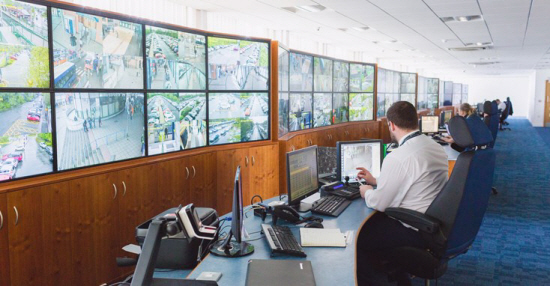
TfWM says the money will be used to analyse journeys and patterns of congestion on major roads using CCTV cameras, so the effects of incidents on traffic flows can be better understood.
TfWM anticipates the project will mean better car journeys, improved health through reduced congestion and ultimately improved journey planning by motorists.
Working with latest video technology and in-car applications such as WAZE, City Mapper and Google, transport bosses could track individual car journeys 24 hours a day to enable an early warning system for congestion – based on an individual’s pattern of behaviour.
Although the roads to benefit have not yet been specified, main arteries – such as the A45 and the M42 – which are affected by the construction of HS2, the new Spring and Metro routes and Autonomous Vehicle test bed routes could all benefit, TfWM says.
TfWM will co-ordinate and oversee the two-year project.
West Midlands mayor Andy Street said: “The car plays an important role in many people’s lives so it is essential we tackle congestion and speed up journey times for them.
“This pilot will help us improve the information we give to people during delays and help them to make informed decisions during traffic disruption.”
Solihull Council cabinet member for transport and highways Ted Richards said: “This is great news for Solihull residents.
“This two year pilot will help us to help people make sensible decisions about their travel options, using technology to give a clear picture of where routes are congested and keep people moving.”