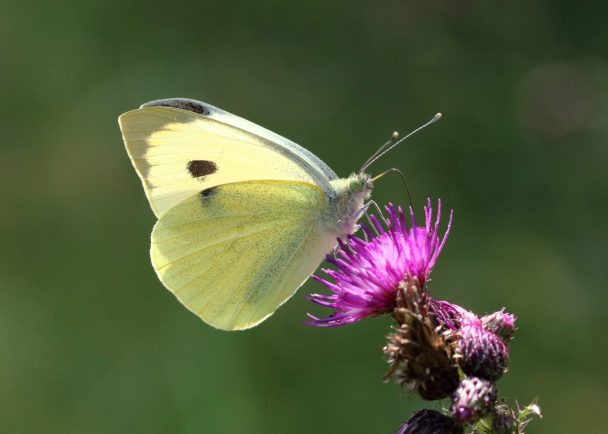
RESIDENTS across the West Midlands and Warwickshire are being urged to take part in this year’s Big Butterfly Count.
Scientists hope with the help of enthusiastic counters, last year’s impressive totals will be beaten.
In the summer of 2022 there were 11,438 butterflies and day flying moths seen across the West Midlands, including Coventry and Solihull – the most popular species spotted there was the Gatekeeper.
The record temperatures, heatwave and drought last year caused some of the plants caterpillars feed on to wither and die which can have a dramatic impact on the butterfly population.
Previous extreme summers in 1976 and 1995 took a heavy toll, with butterfly numbers crashing the following year and taking almost a decade to recover.
This is why this year’s count, run by the charity Butterfly Conservation, is so crucial – it comes to an end this Sunday, August 6, so participants need to get their figures in before that day.
Dr Zoe Randle, Butterfly Conservation’s senior surveys officer, said: ‘We really need people to get out for the count to help us understand the impact of climate change on our most-loved butterflies.
“Who doesn’t remember following a fluttering Red Admiral around, or being mesmerised by a Large White?
“Butterflies are key indicators of environmental health, and with half of Britain’s butterfly species already threatened or near threatened with extinction, we need to take action now to protect them.”
Whether done with friends and family, or in a moment of quiet calm and solitude, the Big Butterfly Count is free, fun and takes just 15 minutes in a sunny spot.
It is open to anyone, of any age, in any part of the UK – towns, cities or the countryside.
No green space is too small – a back garden, a small terrace or balcony with some pot plants, a public park, allotment or country lane are all important spaces to explore, track and report.
Last year almost 100,000 counts took place up and down the country, with participants spending a combined 2.5 years counting butterflies in their gardens, local parks and in the countryside.
The information gathered helps to inform conservation projects, government policies and supports other experts with their research and vital work to protect our planet.
Visit bigbutterflycount.org for more information and to download the free Big Butterfly Count app.