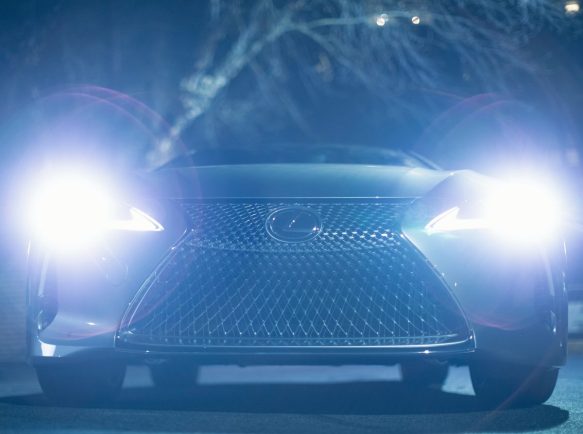
As the days grow shorter and autumn sets in, the cloak of darkness increasingly descends on the roads. Travelling at dusk and in conditions of limited visibility requires a clear understanding of the correct use of headlights, familiarity with modern headlight technologies and compliance with the rules of headlight maintenance. This article discusses the nuances of headlight use in autumn, the advantages of different technologies, and provides valuable tips on keeping headlights in top condition. In addition, the site autodoc.co.uk tells about car headlights. Looking there will take you deeper into the topic of car headlights. Let’s take a look at some of the important things you need to know about your car headlights.
Proper Use of Low and High Beam in Reduced Visibility
Low Beam Illumination: Low beam headlights are your trusty companions when dusk sets in. They provide ample illumination without blinding oncoming drivers. In reduced visibility conditions, like dusk or heavy rain, it’s essential to switch to low beams. High beams can scatter light, blinding oncoming drivers, and causing potential hazards. Utilize low beams during twilight and in the presence of oncoming traffic.
High Beam Vigilance: When driving in the dark, low beams are usually sufficient. However, on unlit roads or highways, you can switch to high beams to increase your own visibility. High beam headlights, while offering superior visibility, should be employed judiciously. Use them when there are no oncoming vehicles or when trailing another car at a considerable distance. However, be prepared to switch back to low beams promptly to avoid dazzling fellow motorists.
Lens Types and Technologies: Halogen, Xenon, and LED Headlights
Halogen Headlights: Halogen lights are the most common type and emit a warm, yellowish light. They are cost-effective and relatively easy to replace but may not provide the same brightness and longevity as more advanced options.
Xenon (HID) Headlights: Xenon headlights produce a bright, white light that closely resembles natural daylight. They are more energy-efficient and offer improved visibility compared to halogens but can be costly to replace.
LED Headlights: LED headlights are the cutting edge of automotive lighting technology. They are highly energy-efficient, have a long lifespan, and provide crisp, bright illumination. LEDs are increasingly common in modern vehicles and are excellent for navigating autumn’s challenging conditions.
Tips for Cleaning and Maintaining Car Headlights in Autumn Conditions
Regular Cleaning: In autumn, when mud, rain, and fog are prevalent, it’s essential to keep your headlights clean. Regularly wash the lens with mild soap and water to remove dirt and grime.
Headlight Restoration: If your headlights appear cloudy or yellowed, consider headlight restoration kits or professional services to restore their clarity. Clear headlights are essential for optimal visibility.
Alignment: Ensure your headlights are properly aligned to prevent blinding oncoming drivers and to maximize your own visibility. Misaligned headlights can be hazardous, especially in reduced visibility conditions.
Check for Moisture or Fog: Inspect your headlights for moisture buildup. If you notice condensation inside the lens, it’s essential to address the issue promptly to prevent damage and reduced visibility.
Replace Burned-Out Bulbs: If you have halogen or xenon headlights, replace burned-out bulbs promptly to maintain optimal illumination. LED headlights tend to last longer but may still require replacement if they fail.
Autumn nights may be shrouded in darkness, but with the right headlight etiquette, technology, and maintenance, you can illuminate your path safely and effectively. Low beam headlights are your companions during reduced visibility conditions, while high beams should be used judiciously to avoid dazzling others.
Headlight technologies, including halogen, xenon, and LED, offer various advantages, allowing you to tailor your choice to your preferences and budget. Furthermore, keeping your headlights clean, well-aligned, and free from moisture ensures that they serve you faithfully through the challenging conditions of autumn.
With these insights and practices, you can confidently navigate the autumn roads, enjoying both safety and enhanced visibility as you venture into the dark of the season.
Sources of information:
https://www.autodoc.co.uk/info/h4-vs-h7-bulb-whats-the-difference-and-which-is-better
https://www.businessmole.com/automotive-lighting-innovations-and-their-significanc