As we delve deeper into the digital age, the importance of cybersecurity escalates dramatically. Consider this a constantly evolving battleground, where innovative defensive strategies are essential in responding to complex online threats. A key development in this space is the refinement of encryption algorithms. These sophisticated systems are not just lines of code but advanced fortresses of data protection, evolving from basic encryptions to complex and highly secure systems. This evolution is pivotal in ensuring that confidential information remains shielded from unauthorized access.
Parallel to this, the integration of Artificial Intelligence (AI) in cyber threat identification and mitigation marks a notable evolution in cybersecurity strategies. AI’s capacity to adapt and evolve provides a new lens through which we view digital security. It enables the anticipation of potential security breaches, shifting the paradigm from a reactive to a proactive approach in safeguarding online spaces.
Biometrics as Security Authentication
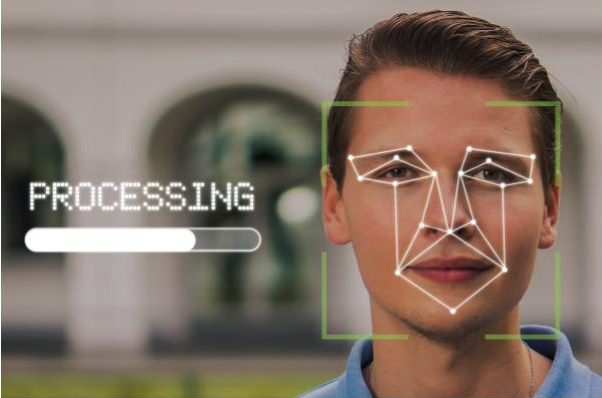
Passwords are no longer the only thing keeping our online accounts safe. The emergence of biometric security, leveraging unique individual traits like fingerprints or facial recognition, is revolutionising the security landscape. This method introduces a layer of security that is far more challenging to breach than traditional password systems. Many different areas, like phone security and banking, now use this a lot because it works well and people trust it more.
Biometric technology is really useful in places that need strong security. In a live casino environment, it helps make things safer by checking who people are. This stops fraud and shows how important biometric tech is in different places where security really matters. This improves user convenience by eliminating the necessity of memorising passwords or carrying physical keys. Plus, its accuracy means fewer mistakes and tighter security overall.
 The Emergence of Advanced Threat Detection Systems
In the sphere of digital protection, enhanced cybersecurity solutions are becoming increasingly important. These solutions utilise complex algorithms and progressive learning techniques to proactively detect and mitigate cyber threats. Such technology is essential for identifying and responding to malware, ransomware, and sophisticated persistent threats that might elude standard security practices. The dynamic capability of these solutions enables them to evolve and adapt in response to emerging threats, keeping a step ahead of cyber adversaries.
Deployed in various domains, from financial services to healthcare, these solutions are vital for the defense of sensitive information and systems. This forward-thinking strategy in cyber defense is crucial for ensuring the security and confidentiality of digital data, promoting a more secure online ecosystem for both individual users and organisations.
Advancements in Cloud Security
The surge in cloud computing necessitates robust security measures for data stored in cloud infrastructures. Notable advancements in cloud security, particularly in identity and access management (IAM), have been substantial. IAM systems are designed to ensure that only
authorised individuals have access to specific data, markedly reducing the likelihood of unauthorised data exposure. These systems have advanced to incorporate features like multi-factor authentication and strict access controls, enhancing their efficacy.
Another significant development in cloud security is the adoption of advanced threat intelligence. Cloud providers now utilise intricate algorithms and machine learning to identify and mitigate threats in real-time. This proactive stance in security, supported by continuous monitoring and automated threat responses, ensures that data stored in the cloud remains secure against the continuously evolving landscape of cyber threats. This integration of cutting-edge technology not only bolsters defense mechanisms but also enhances the overall reliability and trustworthiness of cloud services.
Human-Centric Cybersecurity
The human aspect is a critical component in the cybersecurity matrix. The emphasis on cybersecurity training and awareness is increasingly acknowledged as a vital element of a holistic security strategy.
Companies are showing growing interest in providing their workforce with cybersecurity training, which helps in building a culture focused on being resilient against cyber threats and taking proactive measures to detect them. Educating individuals about secure behaviors, such as recognising phishing attempts and using robust passwords, has become crucial in this regard.
Modern cybersecurity training programs have evolved from conventional, tedious formats to engaging, interactive models. The effectiveness of these innovative training approaches is reflected in the decrease in security incidents attributable to user error, emphasising the essential role of human awareness and vigilance in cybersecurity.
The digital security landscape is intricate and perpetually in flux. From the enhancement of encryption techniques and AI-driven threat detection to the effective deployment of biometric authentication, these advancements are crucial in protecting online data. With new steps in cloud security and a big focus on teaching people about staying safe online, the internet is becoming a safer place for business, sharing info, and looking after our personal stuff.
Article written by Sani Lulic