A pioneering NHS testing programme operating in accident and emergency departments has identified almost 2,000 people in England who were unknowingly living with HIV since its launch in 2022.
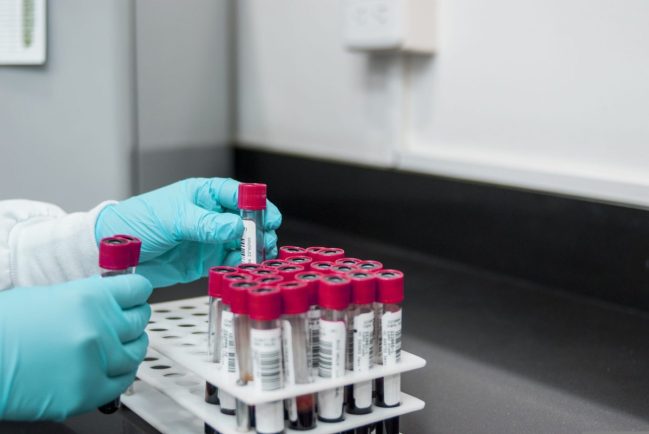
The scheme, which is now running in 88 areas with the highest rates of HIV, routinely tests adults who require a blood test in A&E for HIV, hepatitis B and hepatitis C unless they choose to opt out.
New NHS figures show that 1,900 previously undiagnosed HIV cases have been detected through the programme since it began in April 2022.
Health officials say the initiative is helping to identify people who may not otherwise have been tested. Research by the UK Health Security Agency (UKHSA) found that 93 per cent of those diagnosed through the programme had no previous record of an HIV test.
People who receive a positive result are offered specialist NHS support and treatment.
The latest figures coincide with the publication of a major study in The Lancet HIV, which examined the impact of the programme. Researchers estimate that the first 802 new HIV diagnoses made during the scheme’s initial phase could prevent around 187 HIV-related deaths and 28 new transmissions over the next two decades.
The study, conducted by researchers at the University of Bristol’s National Institute for Health and Care Research (NIHR) Health Protection Research Unit in Evaluation and Behavioural Science, concluded that the programme represents good value for money and helps people access treatment earlier.
One of those diagnosed through the programme was Ayo, a Manchester resident in his 50s.
After developing nerve pain, facial numbness, significant weight loss and other symptoms over several months, he was admitted to Manchester Royal Infirmary’s emergency department, where he underwent routine testing as part of the scheme.
His HIV test returned a positive result.
Ayo said the diagnosis came as a surprise and that he had not considered HIV to be something that would affect him at his age. He said knowing his status has enabled him to access treatment and protect his family.
According to health officials, around one in 20 people living with HIV in England are unaware they have the virus, while others are only diagnosed after it has already affected their health.
Professor Francesca Swords, NHS national medical director, said the programme was helping people receive diagnoses, often before symptoms develop, allowing them to begin treatment sooner.
She said expanding testing in emergency departments was an example of making routine patient contact count by identifying health conditions that might otherwise go undetected.
The programme forms part of the Government’s HIV Action Plan 2025-2030, which aims to end new HIV transmissions in England by 2030.
As part of that strategy, the Department of Health and Social Care has committed £156 million between April 2026 and March 2029 to continue opt-out testing for HIV, hepatitis B and hepatitis C in emergency departments located in areas with high and very high HIV prevalence.
Dr Josephine Walker, lead author of the study at the University of Bristol, said the programme costs around £6 per HIV test and represents good value for the NHS, despite the large number of tests required to identify each previously undiagnosed case.
Researchers said their findings support the continued use of routine opt-out testing in emergency departments as a key part of efforts to reduce HIV transmission.
Professor Marian Knight, Scientific Director for NIHR Infrastructure, said making testing as simple and accessible as possible was essential if England is to achieve its goal of ending HIV transmission.
He said:
“To end HIV transmission, we have to make it as straightforward as possible for people to be tested wherever easiest for them. This ED testing scheme is doing exactly that – finding hundreds of unidentified HIV cases among people who may never have otherwise sought a test.
“Research supported by two of our NIHR Health Protection Research Units shows that this is a highly cost-effective intervention. This marks a critical pivot from sickness to prevention, protecting communities who need it the most.”
NHS leaders are continuing to rollout the programme to help more people unknowingly living with HIV; and a further three new hospitals will start offering testing to their ED patients by April 2027.
The programme is continuing to expand, with three additional hospitals expected to begin offering the testing service by April 2027. NHS leaders say this will make the scheme available in almost all areas of England.
Dr Tamara Djuretic, Head of the HIV Section at UKHSA, said the initiative was helping to reach people who may not realise they are living with HIV or other blood-borne viruses and who may not otherwise seek testing.
Katie Clark, Head of Policy at the charity Terrence Higgins Trust, described the routine testing programme as “game changing”, saying it was helping to diagnose people who might not be reached through traditional testing routes while also providing value for money for the health service.
She said: said:
“This routine approach to HIV testing in emergency departments has been game changing. We now have very clear evidence that not only does this front-footed approach mean we are diagnosing people who are unlikely to be tested anywhere else, but also that it’s excellent value for money. The continuation of opt-out HIV testing is crucial as we work to end new HIV cases in England by 2030 and ensure no one – regardless of gender, ethnicity or location – is left behind. The next step is to take the same approach to GPs in areas with a very high HIV prevalence.”
For more information on HIV testing services, visit nhs.uk website.