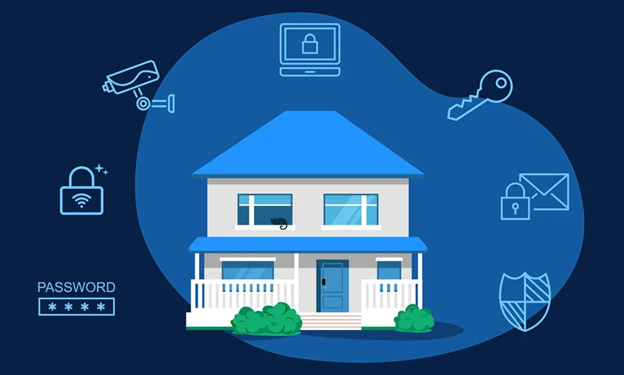
Home security is becoming an increasingly hot topic across the West Midlands. As Coventry continues to grow and evolve, local homeowners are looking for smarter, more reliable ways to protect their properties. While our city remains a vibrant place to live and work, being proactive about home safety is essential for long-term peace of mind. Whether you have recently moved into a modern new build in Keresley or own a traditional Edwardian terrace in Earlsdon, upgrading your physical security is one of the best investments you can make this year.
1. Upgrade to Anti-Snap Lock Cylinders
The most common method used by intruders in the UK today is “lock snapping.” This involves applying force to the outside of a uPVC or composite door handle to snap the cylinder at its weakest point, gaining entry in seconds. Most standard cylinders installed more than five years ago are dangerously vulnerable to this technique.
To combat this, you should upgrade to SS312 Diamond Approved or TS007 3-star rated cylinders. These locks are specifically engineered to snap in a way that keeps the central cam secure, effectively locking the intruder out even after the handle is damaged. When considering such an upgrade, it is vital to consult a professional locksmith Coventry who can ensure the new cylinders are measured precisely and installed to meet the highest security specifications.
2. Reinforce Windows and Patio Doors
Windows are often the secondary point of entry for burglars, particularly those located at the rear of the property or hidden by high fences. In many Coventry homes, older sash or casement windows lack modern internal locking mechanisms, making them an easy target for prying tools.
Installing dedicated window locks or reinforced security films can act as a significant deterrent. Furthermore, sliding patio doors are notoriously easy to lift off their tracks if they aren’t fitted with anti-lift blocks. By engaging a reputable locksmith in Coventry, you can have high-security sash jammers or multi-point locking systems professionally fitted. These small but robust additions significantly increase the time and effort required for an intruder to break in – usually enough to make them abandon the attempt entirely.
3. Implement Smart Security Lighting
Visible security is often the most effective deterrent. Modern LED motion-sensor lighting is both energy-efficient and highly effective at startling potential intruders. Positioning these lights to cover dark “blind spots” around your side gates, alleyways, and garage doors can strip away the cover of darkness that burglars rely on.
For the best results, look for “dusk-to-dawn” sensors that provide a low level of ambient light throughout the night and brighten instantly when movement is detected. This not only improves safety for you when arriving home late at night but also creates a constant impression that the home is occupied and actively monitored.
4. Install a Smart Doorbell or CCTV System
The rise of smart technology has revolutionised local home security across the UK. Smart doorbells allow you to see, hear, and speak to whoever is at your door from anywhere in the world via your smartphone. In Coventry, many residents are now using these devices to form “digital neighbourhood watches,” sharing footage of suspicious activity on local community apps to keep the whole street safe.
Pairing a smart doorbell with a visible CCTV camera acts as a powerful psychological barrier. Even if an intruder is concealed, the presence of a camera suggests a high-security household that is likely to have alarm systems linked to it. It is important to ensure your system complies with UK data protection laws by positioning cameras to focus strictly on your own property boundaries.
5. Ensure Compliance with British Standard BS3621
Many homeowners are unaware that their home insurance policy may be invalid if their locks do not meet specific criteria. The British Standard BS3621 is the benchmark for thief-resistant locks on external doors. Insurance providers often stipulate that mortice locks (deadlocks) must have at least five levers and carry the “Kitemark” symbol.
Checking your locks for the Kitemark is a simple step that can save thousands of pounds in the event of a claim. Upgrading to insurance-approved hardware ensures that your home is not only physically tougher to break into but also financially protected. A quick audit of your current hardware will tell you if you are meeting the latest UK safety regulations or if your home remains at risk.
Article written by Mark Lagelfeld