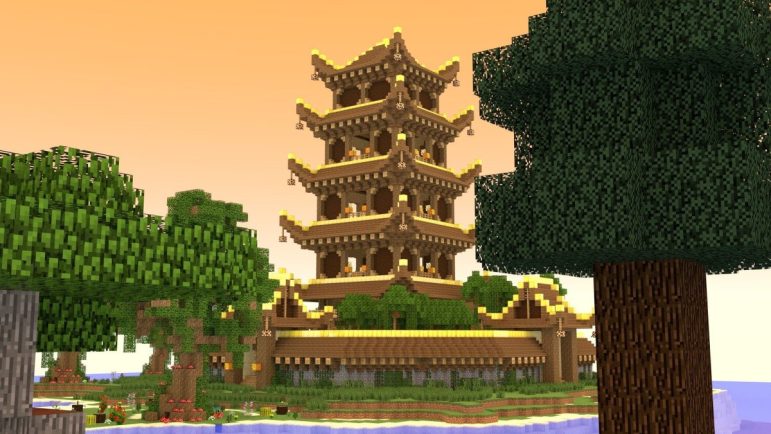
Minecraft was initially a simple building game. It has become a colossal creative space where millions of people build worlds and create communities. Server technology and character customization shape player experiences. Fast infrastructure keeps worlds stable. Personal skins help players stand out. An excellent host can make an ordinary session a memorable joint experience, and a unique Minecraft Bedrock skin can make it.
Microsoft statistics indicate that Minecraft became the highest-selling video game of all time by passing 300 million copies sold in 2023. Multiplayer servers allow large communities to be built as thousands of players collaboratively build and explore together.
Minecraft servers reflect that mindset through creativity and technical progress.
Servers as digital cities
Servers function like organized spaces within the Minecraft universe. They control players, rules, mods, and world data. Weak infrastructure causes lag and crashes. Stable systems support thriving communities.
Hosting performance influences minecraft modded server hosting quality, especially on servers using many gameplay modifications. Mods require more memory and stronger processors. Poor resources create unstable gameplay.
Key technical factors shape server stability:
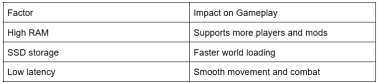
A dependable hosting provider maintains backups and protects against attacks.
Identity in pixels: skins and player expression
Best minecraft hosting platforms often include tools for quick customization and file uploads. Communities share textures and character designs through these systems.
A player’s appearance begins with a minecraft bedrock skin. It determines how a character looks in multiplayer sessions. Many players treat this design as a personal identity inside the game.
Popular customization approaches include:
- Downloading designs from community libraries
- Editing textures through pixel art tools
- Creating a completely custom skin for Minecraft Bedrock design
Learning how to change minecraft skin bedrock is simple. Players upload a PNG file through the profile menu. The character’s appearance changes immediately in the game.
According to research by Statista, more than three out of five players have customized skins rather than default characters.
Community events often include design competitions for the best custom skin minecraft bedrock artwork. Unique characters make multiplayer spaces feel lively.
Creative skins reflect imagination inside the game.
Hosting that supports creative servers
Best minecraft hosting services maintain reliable multiplayer environments. Stable systems allow the installation of plugins, mini-games, and economy systems. These features transform simple worlds into organized communities.
Optimized hosting provides several advantages:
- Faster chunk generation
- Stable multiplayer sessions
- Automated backups and updates
- Protection against malicious attacks
Modern servers often run many modifications at the same time. Large worlds demand constant processing and storage.
Players who learn how to change minecraft skin bedrock and design a custom skin minecraft bedrock often participate more actively in community projects. A distinctive Minecraft Bedrock skin builds a connection with shared worlds.
Research from the Entertainment Software Association reports that 65% of multiplayer gamers prefer games with strong customization features. Identity tools combined with stable hosting keep communities active for years.
Final thoughts
Minecraft remains successful through its mix of creativity and reliable technology. Strong infrastructure supports stable gameplay. Character customization gives players personal expression inside multiplayer spaces.
Stable systems improve Minecraft modded server hosting quality, which allows complex worlds to run smoothly. Learning how to change Minecraft skin Bedrock and creating a custom skin Minecraft bedrock help players build unique identities. A familiar Minecraft Bedrock skin will be a part of a player’s reputation within a server community.
Reliable hosting paired with creative freedom turns Minecraft into a platform for imagination and long-lasting digital communities.
Article written by Martin Johnson