Understanding the Challenges of North-Facing Gardens
North-facing gardens present unique challenges when it comes to selecting appropriate paving materials.
These areas typically receive less direct sunlight, resulting in cooler temperatures and higher moisture retention. This environment creates ideal conditions for algae and moss growth, which can lead to slippery surfaces and unsightly staining.
Steven Bell, a paving expert from Paving Shopper, explains, “North-facing gardens are often overlooked in terms of their specific paving needs. The lack of direct sunlight means that these areas stay damp for longer periods, which can significantly impact the performance and longevity of certain paving materials.”
The Science Behind Paving Performance in Shaded Areas
To truly grasp why certain materials perform better in north-facing gardens, it’s important to understand the interplay between sunlight, moisture, and surface porosity.
Bell elaborates, “In shaded areas, the lack of UV exposure and slower evaporation rates create a perfect storm for biological growth. Materials with high porosity absorb more moisture, providing an ideal breeding ground for algae and moss. This is why dense, non-porous materials often perform better in these conditions.”
Popular Paving Options for North-Facing Gardens
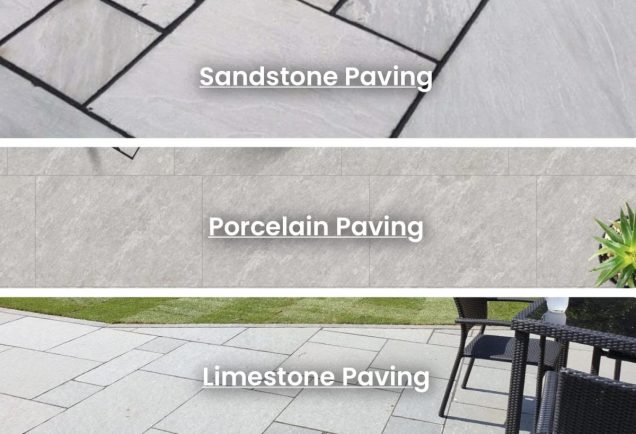
Porcelain Tiles: The Rising Star
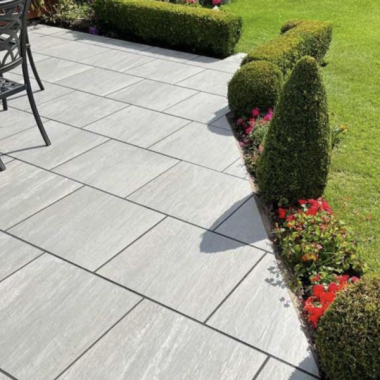
Porcelain has gained significant popularity in recent years, particularly for challenging environments like north-facing gardens. Its exceptional performance can be attributed to several factors:
- Low Porosity: Porcelain tiles typically have a water absorption rate of less than 0.5%, making them highly resistant to moisture penetration.
- Frost Resistance: The dense structure of porcelain makes it highly resistant to freeze-thaw cycles, reducing the risk of cracking or spalling in cold climates.
- Versatility in Design: Modern manufacturing techniques allow porcelain tiles to mimic a wide range of natural materials, from stone to wood, without sacrificing performance.
- Easy Maintenance: The non-porous surface of porcelain makes it resistant to staining and easy to clean, often requiring just a simple wash to maintain its appearance.
Bell notes, “We’ve seen a significant increase in demand for porcelain paving over the last five years, especially for north-facing installations. Customers appreciate its low maintenance requirements and long-term durability.”
Resin-Bound Surfacin
Resin-bound surfacing is a relatively new entrant in the paving market but has quickly gained traction for its unique properties:
- Permeability: The open structure allows water to drain through quickly, reducing standing water and associated problems.
- Customisable Appearance: A wide range of aggregate colors and sizes can be used to create custom looks.
- Smooth Surface: The bound nature of the aggregate creates a smooth surface that’s cmfortable underfoot and easy to maintain.
- UV Stability: High-quality resins are UV-stable, preventing yellowing or degradation over time.
“Resin-bound surfaces are becoming increasingly popular for pathways and smaller patio areas in shaded gardens,” Bell observes. “They offer excellent slip resistance and can be installed with minimal disruption to existing landscapes.”
Sandstone: A Traditional Option with Caveats
Sandstone has long been a popular choice for garden paving due to its natural beauty and variety of colours. However, its use in north-facing gardens requires careful consideration:
- Porosity: Sandstone is relatively porous compared to materials like porcelain, which can lead to increased moisture absorption in shaded areas.
- Color Variations: Lighter-colored sandstones may show algae growth more prominently, while darker varieties can help mask discoloration.
- Sealing: Regular sealing is crucial to improve water resistance and reduce algae growth.
- Texture: Opting for a textured finish can provide better slip resistance in damp conditions.
Bell advises, “If a client is set on sandstone for a north-facing area, we often recommend darker, denser varieties with a textured finish. However, we always caution about the increased maintenance requirements compared to manufactured options like porcelain.”
At Paving Shopper, we offer a wide range of sandstone options, including those specifically selected for their performance in challenging environments like north-facing gardens. Our team can provide expert advice on choosing the right type of sandstone for your specific needs.
Innovative Solutions for Challenging Areas
Photocatalytic Treatments
An emerging technology in the paving industry is the use of photocatalytic treatments. These coatings contain titanium dioxide, which, when exposed to light (even in low levels), creates a reaction that breaks down organic matter like algae and moss.
Bell explains, “We’re seeing increased interest in photocatalytic treatments, especially for existing paving in problematic areas. While they’re not a magic solution, they can significantly reduce the frequency of cleaning required.”
Installation Considerations for North-Facing Gardens
Proper installation is crucial for the long-term performance of any paving in challenging conditions. Key considerations include:
- Adequate Sub-base Preparation: Ensuring proper drainage at the sub-base level is critical to prevent water accumulation beneath the paving.
- Slight Gradient: Incorporating a slight slope (typically 1:60 to 1:80) encourages surface water runoff.
- Joint Design: For jointed paving, using a resin-based jointing compound can help prevent weed growth and reduce water ingress.
- Edge Restraints: Proper edge restraints prevent lateral movement and maintain the integrity of the paved area over time.
Bell emphasises, “Even the best materials can fail if not installed correctly. We always recommend using experienced installers who understand the specific challenges of north-facing installations.”
Maintenance Strategies for Longevity
Regular maintenance is key to keeping any paved area in top condition, but it’s particularly crucial for north-facing gardens:
- Regular Cleaning: Periodic cleaning with a pressure washer or specialized paving cleaner can prevent the buildup of algae and moss.
- Resealing: For natural stone or concrete pavers, reapplying a quality sealer every few years can help maintain their resistance to moisture and staining.
- Promptly Addressing Issues: Quickly repairing any damaged areas or settled sections can prevent more extensive problems from developing.
Environmental Considerations
When choosing paving for any area, including north-facing gardens, it’s important to consider the environmental impact. Some factors to consider include:
- Local Sourcing: Opting for locally sourced materials can reduce transportation-related carbon emissions.
- Permeability: Choosing permeable paving options can help with local water management and reduce strain on drainage systems.
- Recycled Content: Some manufacturers now offer paving products made with recycled materials, reducing the demand for new raw materials.
Bell notes, “We’re seeing increased demand for eco-friendly paving options. Permeable systems and products with recycled content are becoming more popular, even in challenging installation scenarios like north-facing gardens.”
Making an Informed Decision
Choosing the right paving for a north-facing garden requires careful consideration of various factors, including material properties, aesthetic preferences, maintenance requirements, and environmental impact. While options like porcelain and resin-bound surfacing often perform well in these challenging conditions, the best choice will depend on the specific characteristics of your space and your personal priorities.
By understanding the unique challenges posed by north-facing gardens and the properties of different paving materials, you can make an informed decision that balances aesthetics, functionality, and long-term performance. Remember, consulting with paving specialists like those at Paving Shopper can provide valuable insights tailored to your specific situation, helping ensure a successful and lasting installation.
Frequently Asked Questions
Is sandstone suitable for north-facing gardens?
Sandstone can be used in north-facing gardens but requires careful consideration. Choose darker, denser varieties with a textured finish for better performance. Regular sealing and maintenance are crucial to prevent algae growth and moisture absorption.
How often should I seal sandstone paving?
Seal sandstone paving every 2-3 years for optimal protection. However, in shaded or damp areas, annual sealing may be necessary to maintain water resistance and prevent algae growth.
What’s the best way to clean algae off paving?
Use a pressure washer or scrub with a stiff brush and a mixture of water and mild detergent. For stubborn algae, use a specialized paving cleaner. Avoid harsh chemicals that may damage the paving surface.
How do I prevent weeds from growing between paving slabs?
Use polymeric sand or resin-based jointing compounds when installing paving. For existing paving, regularly clean joints and consider applying a weed preventer. Ensure proper drainage to reduce moisture that encourages weed growth.
Is porcelain paving worth the extra cost compared to natural stone?
Porcelain paving often justifies its higher initial cost through lower maintenance requirements, superior durability, and excellent resistance to staining and algae growth, especially in challenging environments like north-facing gardens.
Article written by Sarah James from Paving Expert Group