The clutch master cylinder is a critical hydraulic component that enables smooth gear changes in manual transmission vehicles.
Located near the clutch pedal and connected directly to it, this cylinder creates the hydraulic pressure necessary to engage and disengage your clutch.
When you press the clutch pedal, the master cylinder pushes brake fluid through the hydraulic lines to the slave cylinder, which then moves the clutch fork to separate the clutch disc from the flywheel, allowing you to shift gears smoothly.
Without a properly functioning clutch master cylinder, you’ll experience difficulty changing gears, potentially leaving you stranded. The system works on a simple hydraulic principle: when you depress the clutch pedal, a piston inside the master cylinder compresses the hydraulic fluid, creating pressure that travels through the clutch line to actuate the slave cylinder. This mechanical-to-hydraulic conversion is what makes modern manual transmissions so responsive and easy to operate.
How the Clutch Master Cylinder Works
Automotive experts from AUTODOC say:
“We all know where the clutch is located but what about the clutch master cylinder? You can find it directly connected to the foot pedal. Its main function is to produce hydraulic pressure for the clutch system. This pressure is produced when the driver steps on the clutch pedal. Hydraulic pressure from the main cylinder flows to the slave cylinder to disengage the clutch from the engine when the pedal is pressed. When the clutch master cylinder is not functioning properly, hydraulic pressure will not build up and the slave cylinder will not receive enough pressure to force its piston outward against the clutch fork to disengage it from the engine”.

The diagram above illustrates the complete clutch hydraulic system. The clutch master cylinder (left) connects to the clutch pedal via a pushrod. When you press the pedal, this pushrod moves the piston inside the master cylinder, forcing hydraulic fluid through the red line to the slave cylinder on the right. The slave cylinder then pushes against the clutch fork, disengaging the clutch. The blue reservoir on top of the master cylinder maintains proper fluid levels and allows for thermal expansion of the hydraulic fluid during operation.
Service Life and Maintenance Schedule
The lifespan of a clutch master cylinder varies significantly based on driving conditions, maintenance practices, and component quality. According to automotive service data, here’s what you can expect:
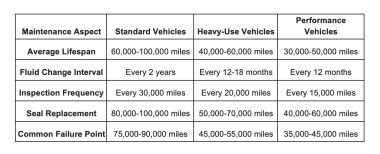
As shown in the table, standard passenger vehicles typically see clutch master cylinders lasting between 60,000 and 100,000 miles with proper maintenance. Heavy-use vehicles, such as delivery trucks or vehicles frequently driven in stop-and-go traffic, experience shorter lifespans of 40,000 to 60,000 miles. Performance vehicles, which endure more aggressive clutch use, may require replacement as early as 30,000 miles. Regular fluid changes every 2 years for standard vehicles can significantly extend component life.
Common Signs of Clutch Master Cylinder Failure
Recognizing early warning signs can prevent complete clutch system failure and costly roadside breakdowns. Here are the key symptoms to watch for:
- Fluid Leaks and Visual Indicators Check the area around the clutch pedal inside the cabin and the master cylinder under the hood. Dark, oily spots or wet areas indicate hydraulic fluid leaks. Even small leaks will progressively worsen, eventually causing complete hydraulic failure. The fluid reservoir level dropping without visible external leaks suggests internal seal failure.
- Pedal Feel Changes A soft, spongy clutch pedal that sinks to the floor indicates air in the hydraulic system or internal seal failure. Conversely, a hard pedal that requires excessive force suggests contaminated fluid or a seized piston. Any inconsistency in pedal resistance throughout its travel warrants immediate inspection.
- Gear Engagement Problems Difficulty shifting into gear, especially first and reverse when stationary, points to insufficient hydraulic pressure. Grinding noises when shifting, despite fully depressing the clutch pedal, indicate the clutch isn’t fully disengaging due to master cylinder problems.
- Complete Clutch Failure In severe cases, the clutch pedal may drop to the floor with no resistance, leaving you unable to shift gears. This typically occurs after ignoring earlier warning signs and represents complete hydraulic system failure requiring immediate professional attention.
Preventive Maintenance Best Practices
Proper maintenance significantly extends clutch master cylinder life and prevents unexpected failures. AUTODOC‘s technical specialists recommend these essential practices:
● Regular Fluid Maintenance Replace clutch hydraulic fluid according to manufacturer specifications, typically every 2 years or 30,000 miles. Use only the recommended DOT specification fluid, as mixing different types can cause seal damage. During fluid changes, inspect for contamination, which appears as dark discoloration or debris in the fluid.
● System Inspections During routine service, have technicians check for early signs of wear including minor leaks, pedal free play adjustment, and fluid condition. Address small issues immediately before they develop into major failures. Pay special attention to the rubber boot where the pushrod enters the master cylinder, as cracks here allow moisture ingress leading to internal corrosion.
● Driving Habits Avoid resting your foot on the clutch pedal while driving, as this maintains slight pressure in the hydraulic system, accelerating wear. In stop-and-go traffic, shift to neutral rather than holding the clutch pedal depressed for extended periods. These simple adjustments can add years to your clutch master cylinder’s service life.
Professional Service and Replacement
When clutch master cylinder replacement becomes necessary, professional installation ensures proper function and longevity. Technicians will bleed the entire hydraulic system to remove air bubbles, adjust pedal free play to manufacturer specifications, and verify proper clutch engagement and disengagement.
The replacement process typically takes 1-2 hours, depending on vehicle accessibility. Many technicians recommend replacing both master and slave cylinders simultaneously, as they wear at similar rates and share the same hydraulic fluid. This approach prevents repeat labor costs and ensures optimal system performance.
The clutch master cylinder plays an indispensable role in your vehicle’s drivability and safety. Understanding its function, recognizing failure symptoms, and following proper maintenance schedules prevents unexpected breakdowns and extends component life. Regular inspections, timely fluid changes, and addressing issues promptly keeps your clutch system operating smoothly for years to come.
By staying attentive to the warning signs discussed in this guide and following AUTODOC’s expert maintenance recommendations, you’ll maximize your clutch master cylinder’s lifespan while ensuring reliable, safe vehicle operation. Remember that preventive maintenance costs far less than emergency repairs and the inconvenience of roadside failures.
Sources of information:
● AUTODOC
● https://www.caranddriver.com/research/a31993438/what-does-clutch-mean/
● https://ackodrive.com/car-guide/what-is-a-car-clutch-and-how-does-it-work/
● https://www.acko.com/car-guide/car-clutch/
● Automotive Service Excellence (ASE) – Clutch Hydraulic Systems Service Guidelines
● Society of Automotive Engineers (SAE) – Manual Transmission Service Standards