Tattoos can hold meaning, reflect identity, or represent personal experiences.
Over time, what once felt permanent may no longer suit a person’s preferences or lifestyle.
When that happens, many begin looking into removal options. Before making any decisions, it is helpful to understand the available methods, what factors affect outcomes, and how to choose a treatment path that makes sense for individual needs.
Common Reasons People Choose to Remove Tattoos
Deciding to remove a tattoo often comes down to life changes. Some people want to move on from a past relationship or rebrand themselves professionally. Others may no longer feel connected to an old design, or they may have chosen something impulsively that now feels out of place.
There are also practical concerns. Tattoo placement can be an issue in certain job sectors, particularly those with formal dress codes or public-facing roles. Skin reactions or fading ink can also become factors. Regardless of the reason, it helps to know that options are available, including professional services like tattoo removal in London, which cater to a range of needs and skin types.
Exploring the Main Options for Tattoo Removal
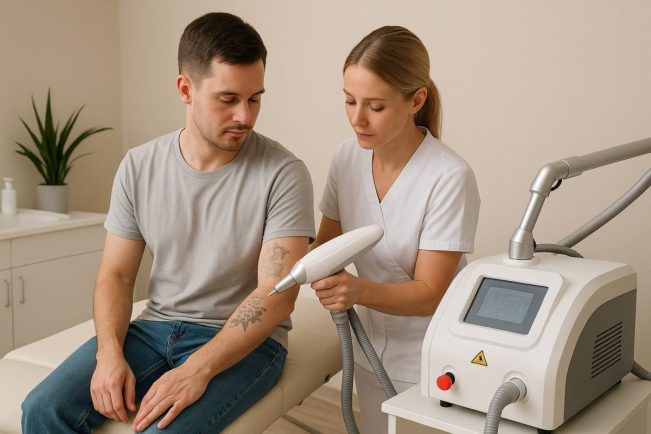
A few approaches exist when it comes to removing unwanted ink. The most well-known method is laser tattoo removal, which uses pulses of light to break down the ink particles. This technique is the most widely used due to its effectiveness and minimal recovery time compared to alternatives.
Another method is surgical removal, where the tattooed skin is cut out and the surrounding area is stitched. This might be considered for small tattoos but can leave a scar. Dermabrasion, which involves sanding the top layers of skin, is less common now and tends to carry a longer healing time.
Each option comes with different outcomes and potential side effects. Anyone considering treatment should consult a qualified provider before selecting a treatment route. Professional consultation helps set clear expectations about what can realistically be achieved based on the tattoo’s size, age, colour, and location.
How Laser Tattoo Removal Works
Laser treatments work by targeting pigment in the skin using concentrated light. As the ink particles absorb light, they break apart into smaller fragments that the body can then naturally process. Multiple sessions are often required, and the number can vary depending on a range of factors.
Newer lasers are more precise and suitable for a wider range of ink colours, which historically has been one of the challenges in treatment. Black ink tends to respond best, while colours like green or blue can take longer to fade.
The sessions are usually spaced several weeks apart to allow the skin time to heal and respond. It’s important to follow any aftercare guidance provided, as this can impact the final result and reduce the risk of scarring.
Laser tattoo removal has become the go-to method for most people due to its balance of effectiveness, safety, and manageable recovery times. Results will vary, but a good provider will give honest feedback on what to expect based on individual circumstances.
What Can Affect the Outcome of Treatment
No two tattoos are alike, and that means results can differ from person to person. Skin type plays a significant role, as does the depth and density of the ink. Older tattoos may fade more easily than newer ones, especially if they’ve already started breaking down from sun exposure.
Ink colour is another factor. Black ink responds quickly to laser treatment, while colours like red, yellow, or turquoise can take more time and may not fully disappear. Tattoo location also matters. Areas with better blood flow, such as the chest or arms, often heal more quickly than areas with poor blood flow, like the ankles or fingers.
Health, lifestyle, and commitment to aftercare can influence how quickly the skin recovers. Smoking or a weak immune system can slow the process. Those who follow post-treatment guidance and protect the skin tend to see better outcomes.
Getting the Right Advice Before Committing
Choosing the right clinic or professional makes a significant difference. It’s worth spending time researching qualifications, experience, and the technology used. A provider should be transparent about pricing, treatment length, and potential side effects.
Consultations are an important part of the process. They provide clients with the opportunity to ask questions, share their medical history, and receive personalised advice. This stage also helps identify whether someone is a suitable candidate for the chosen method.
Hygiene standards, licensing, and staff training should all be considered. Reviews and before-and-after photos can also provide insight into the clinic’s track record. It’s helpful to avoid places that guarantee complete removal without first seeing the tattoo.
Aftercare should also be discussed upfront. Good providers will offer written instructions and ongoing support if needed. Healing varies from person to person, but proper care helps prevent infection and gives the skin its best chance to recover.
Thinking About Removing a Tattoo? Here’s What to Do Next
Taking steps towards tattoo removal can feel like a big decision, but clear information makes it easier. Begin by identifying what you want from the treatment — complete removal or just a fade to allow for a cover-up. Once that’s clear, look into options available locally and compare their services.
Tattoo removal isn’t a quick fix, but it’s more accessible and effective than ever. With the right clinic, good advice, and patience, it’s possible to achieve satisfying results without compromising on safety or care.