Player confidence in gambling doesn’t show up all at once. It forms across sessions, in small repeats, when the brain starts to treat a game as “known” instead of “risky.” What’s sneaky is that this confidence often has less to do with actual skill and more to do with patterns we notice, stories we tell ourselves, and how recent results feel in the gut. Over time, we don’t just learn a game. Let’s break down how that shift happens from session to session, and how we can spot whether our confidence is earned or just warmed up by luck.
A Strong Example of an Attention Engine
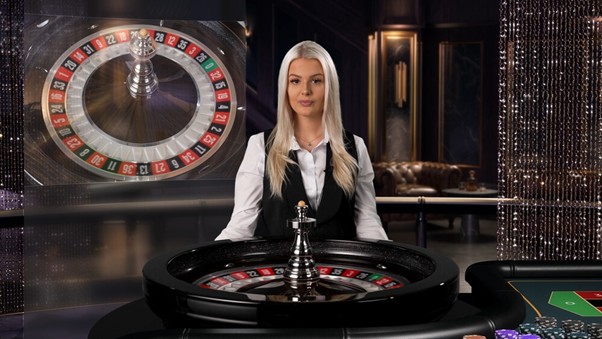
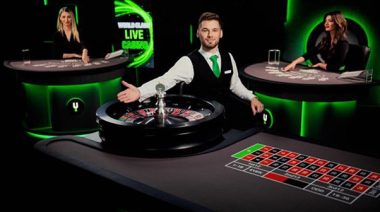
In an attention engine, the best setup is the one that pays you back fast for every choice you make. A clear example of this can be seen in formats such as Lightning Storm live, where the loop is built around instant feedback, so your brain stays switched on because it never has to “wait and see” for long. Even when the outcome is bad, it still lands right away, and that immediacy keeps players alert because it turns every click into a quick lesson. We notice the result, we feel it, we adjust. That’s why these formats can feel so gripping: attention stays high because the system keeps giving clear, rapid signals.
Fast cycles also cut downtime between actions, which matters more than people admit. When there’s no long pause, there’s no natural moment to breathe, rethink, or stop. On top of that, strong visual and sound cues do the heavy lifting by telling us “something just happened” and “something is about to happen,” over and over. Bright hits, sharp dings, rising music, big animations. They don’t add odds, but they add urgency, and urgency pushes engagement. If we want control, we have to notice that these cues are designed to keep our hands moving, not to help our decisions.
What an Attention Loop Actually Is
An attention loop is a tight “cue → action → feedback” chain that keeps us engaged because our brain keeps getting small reasons to continue. The power isn’t in one big moment, it’s in the number of cycles that happen. The shorter the gap between what we do and what we get back, the stronger that link feels, even when outcomes are random. Fast feedback makes the experience feel more “responsive,” and that responsiveness keeps attention switched on.
- Cue: a prompt that says “do it now” (a timer, a flash, a bonus tease, a big button).
- Action: the simple move (click, spin, place a bet, start the round).
- Feedback: the result right away (win, loss, near-miss, plus the animation and sound).
- Anticipation: the pull of “next one could be better,” which pushes us into the next cycle.
Repetition strengthens engagement because the pattern becomes familiar and easy to repeat. We stop thinking in full sentences and start reacting to the rhythm. Short feedback intervals are the accelerator.
The Brain’s Preference for Immediacy
Our brain has a strong bias for fast outcomes because quick results create a clean cause-and-effect link. Dopamine is part of that system. It doesn’t only react to “winning.” It reacts to feedback and to the gap between “we did a thing” and “we got a result.” When results land fast, the brain treats the situation as learnable and worth tracking, so focus goes up. Reduced uncertainty helps too. If we know we’ll get an answer right away, we stay locked in, because there’s no long stretch where attention can drift or anxiety can build.
Delayed outcomes do the opposite. When the payoff is far away, the brain struggles to connect our action to the result, so the experience feels less gripping. Engagement weakens because the loop breaks: we act, then we wait, and waiting is where doubt, second thoughts, and boredom live. That’s why slow feedback can make even “good” rewards feel smaller, while fast feedback can make tiny outcomes feel huge. The outcome is not just what happens, but how quickly it lands and how clearly it closes the uncertainty.
Real-Time Pressure Sharpens Focus
Real-time pressure sharpens focus because it removes “open space” in the decision. When we have a limited window, we can’t wander off into side thoughts, tabs, or second guesses for long. The brain shifts into a quick filter mode: what matters now vs. what can wait. That’s why short decision windows reduce distraction so well. They cut off the extra thinking that usually competes with the main task, so attention stays on the next move.
Urgency also narrows cognitive bandwidth, and countdowns make that narrowing obvious. When the timer is running, we carry fewer competing thoughts, because the brain hates missing a moment that feels time-sensitive. That can be useful, but it can also push rushed choices, especially when stakes creep up. The pressure works through simple mechanics:
- Less time to drift: the window closes before we overthink or multitask.
- One priority replaces many: urgency forces a single “right now” focus.
- The countdown blocks noise: fewer side ideas survive when the timer is visible.
- Faster actions become habits: repeated timed decisions train quick, automatic clicks.
Conclusion
Across sessions, confidence builds when the experience feels fast, clear, and repeatable, because our brain trusts what it can track and “learn” in real time. Immediacy reduces uncertainty, so we stay locked in, while delays weaken the link between what we do and what happens, making engagement fade. Add real-time pressure and countdowns, and distraction drops because urgency narrows our mental bandwidth to one task.