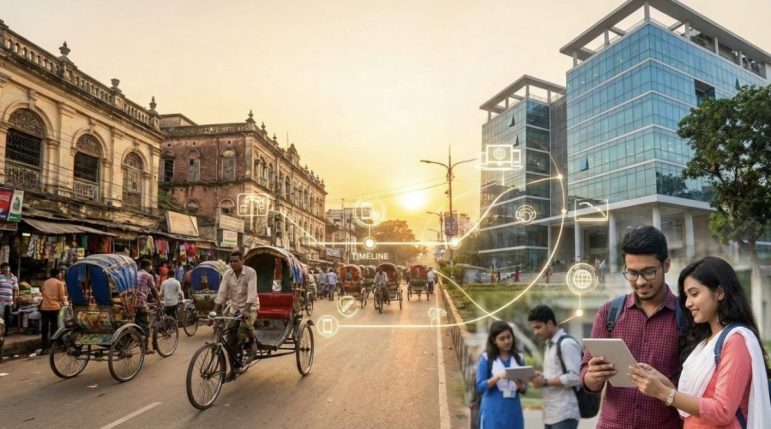
Bangladesh in 2026 is living in two tempos at once. The first is familiar: family-first schedules, bustling markets, and a culture that still trusts face-to-face recommendations. The second is faster and increasingly normal: QR payments, delivery tracking, short-form video, and services that start with a tap instead of a queue. On any given day, someone might bargain in person, pay digitally, and track a parcel on the same screen used for cricket highlights. What makes this mix work is simple. The digital layer is not trying to erase tradition; it is quietly upgrading it, saving time while keeping the social fabric intact.
Tradition didn’t disappear; it adapted
A strong tradition is not a museum piece; it’s a living habit. Small businesses still run on relationships, but many now use digital tools to keep those relationships warm: quick updates, simple catalog photos, and status messages that say “open now” without anyone having to ask. Community life also carries online: family group chats coordinate meals, weddings, and travel plans with less friction.
The “smart” agenda is turning into infrastructure
Plans such as Smart Bangladesh Vision 2041 describe the direction: better digital services, stronger skills, and a modernized economy that can scale. In daily life, that ambition shows up in basics. Connectivity spreads, online services feel more predictable, and e-government touchpoints become more common. When the infrastructure works, people stop calling it “digital transformation” and start calling it normal.
Mobile money and connectivity change what a small shop can do
The clearest upgrade is speed. When a household can pay a bill, send money, or top up data in minutes, a problem that used to take half a day becomes a short task. For merchants, fast payments and easier ordering means faster stock rotation, especially for seasonal demand. With strong 4G reach and more affordable devices, even small operations can act bigger than their physical footprint.
The fun side of the digital future
Entertainment is part of the story, too. Streaming, clips, and live sports have turned watching into a social event that continues on phones before and after the match. Cricket culture fits perfectly here: analysis, banter, highlights, and that shared feeling of “Did you see that?” Brands that build real sports partnerships stand out, which is why ambassadors matter, from actress Monami Ghosh to the MI Cape Town T20 franchise.
When fandom becomes a market skill
Odds and match rhythm share the same language
A big match already has its own drama, but numbers add a second storyline. On a bangladesh online betting site, markets update as the game shifts, turning form, momentum, and player impact into prices. Pre-match options reward preparation, while live lines reward timing and composure when the match turns. Many fans focus on a small set of markets so they can compare prices quickly and notice when a line looks out of step with what they are watching. Done well, it feels like analysis with a scoreboard.
The mobile shortcut that keeps the night flowing
Modern viewing happens across screens, so convenience matters. The melbet app bangladesh option supports a second-screen workflow where a user can track odds, check quick statistics, and place a bet without losing the broadcast. Live betting works best when the process is simple: pick the market, confirm the stake, and move on instead of chasing every swing. The most satisfying nights come from planned choices, not constant tapping, and a clear interface makes that easier to maintain. Over time, fans learn which markets match their style and which matches are better enjoyed with no bet at all.
The balance that makes progress believable
Bangladesh’s strength is not choosing between heritage and modernity. It’s taking what already works, then making it faster, clearer, and more scalable. The next decade will be defined by practical upgrades: skills that match new jobs, infrastructure that keeps trade competitive, and digital services that save time for families and businesses. When technology respects culture, it stops feeling foreign. It starts feeling like the future you can actually live in.
Article written by Rachelle Church