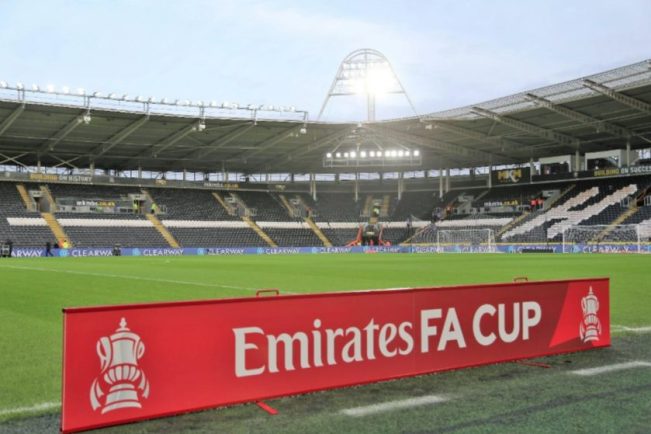
The FA Cup, steeped in history and tradition, entered new territory last season when the Football Association introduced a major change to how tied games are settled. Replays were scrapped, meaning that if matches are level after 90 minutes, they now go to extra time and, if required, a penalty shootout.
It’s a format that guarantees a result on the day, heightens the sense of jeopardy for fans, and, as betting platforms such as Livescore Bet have noted, adds an extra layer of unpredictability to every fixture. For supporters following the drama closely, or even betting alongside the action, the new rules have transformed the way the FA Cup is experienced. It was a bold decision that sparked lively debate. Traditionalists mourned the loss of replays, long a hallmark of the competition, while others welcomed the shift as a modern solution to fixture congestion.
Now, as we embark on the 2025/26 campaign, the second season under the new rules, penalties have firmly established themselves as part of the FA Cup’s fabric. And the evidence suggests they have made the tournament more thrilling than ever.
A season of unforgettable drama
Last season proved why shootouts can inject fresh life into the FA Cup. From the earliest rounds, fans witnessed evenings of extraordinary tension, as underdogs pushed giants through 120 gruelling minutes before deciding ties from twelve yards. Penalties brought the competition’s defining element, unpredictability, into sharper focus.
Games that might once have drifted into midweek replays were instead settled in front of packed crowds, creating an immediate sense of theatre. Shootouts gave smaller clubs a platform to grab the headlines, levelling the playing field in ways that extended beyond the pitch.
We can already see the same excitement in this season’s EFL Cup. Grimsby Town stunned the footballing world by knocking out Manchester United on penalties, Sheffield Wednesday edged past Leeds in similar fashion, while Crystal Palace and Brentford held their nerve against Millwall and Aston Villa, respectively.
These giant-killings underline the magic of penalties: the underdog always has a chance, and fans are left with memories that will live for decades. For those following along live, whether through updates, commentary, or platforms like Livescore Bet, the anchor of the story is always the same: one kick can change everything.
The FA Cup, now in its second year of adopting shootouts, has tapped into that same drama, only after the added test of extra time.
Opportunity for the underdogs
One of the clearest benefits of the rule change is how it has aided lower-league clubs. The FA Cup has always been about giant-killings, but penalties now give minnows a more realistic shot at progress.
Over 120 minutes, even non-league sides can hold their own with disciplined defending and sheer determination. Penalties then offer them the chance to finish the job, often against far bigger and wealthier opponents. For supporters of these clubs, it’s the stuff of dreams: an unforgettable night capped with victory under the most pressurised circumstances football can provide.
And the rewards go beyond bragging rights. Progressing deeper into the FA Cup brings vital revenue in prize money and media exposure. For clubs operating on shoestring budgets, a single shootout win can change the outlook of an entire season.
The cost of change
But while the drama is undeniable, there remains a sense of loss. Replays were part of the FA Cup’s unique character. For many lower-league clubs, travelling to Old Trafford or Anfield for a replay wasn’t just a footballing adventure, it was a financial windfall.
By removing replays, the FA has curtailed those opportunities, and some argue it risks diluting the “magic” that has defined the competition for over 150 years.
There’s also the age-old argument that penalties reduce football to a lottery. A team can dominate for two hours, only to falter from the spot. Critics suggest that this undermines the integrity of the contest.
A modern necessity
Yet the wider context cannot be ignored. Fixture congestion has become one of football’s defining challenges. Between the Premier League, European competitions, and international calendars, managers and players face relentless schedules.
The FA’s decision to cut replays was, in part, a pragmatic response to these demands. In doing so, the competition has become sharper, leaner, and arguably more watchable for a global audience. Every match now guarantees a definitive result on the day, keeping fans engaged from start to finish and giving those betting alongside the action even more reason to stay glued until the last kick.–As the second season of penalty shootouts in the FA Cup unfolds, the debate over tradition versus modernisation will continue. But what is beyond dispute is that shootouts bring an edge of unpredictability that aligns perfectly with the Cup’s spirit.
Yes, something of the old romance has been lost with the removal of replays. But in return, the FA Cup has gained a format that delivers unforgettable drama, provides smaller clubs with a genuine lifeline, and keeps the competition relevant in the congested modern game.
Twelve yards, one kick, and the chance to make history, that is now the reality of the FA Cup. And with the EFL Cup once again showing us the joy of giant-killings this season, fans can be certain that the FA Cup will continue to deliver equally breathtaking drama.