Every year, on November 5th, the skies of Britain ignite with fireworks and the smell of bonfires fills the air as the nation remembers the plot that almost changed history.
For beneath the Houses of Parliament, over 400 years ago, one man’s audacious plan to obliterate British rule was thwarted. His name? Guy Fawkes — a name synonymous with rebellion, treason, and, for some, a touch of begrudging admiration.
When Fawkes was captured in the early hours of November 5, 1605, he held a lantern in one hand and an unlit fuse in the other. His intentions were clear, and the punishment he faced was as brutal as they come: torture, and finally, the dreaded sentence of being hung, drawn, and quartered.
 Guy Fawkes by Cruikshank – Public domain portrait engraving. Licence: http://commons.wikimedia.org/
To escape this horrendous fate, Fawkes leapt from the gallows, breaking his neck.
But today, he has become more than just a failed plotter, he’s a figure woven into Britain’s cultural fabric, both a symbol of rebellion and a tradition of celebration.
The Making of a Plotter
Surprisingly, Fawkes wasn’t born a Catholic revolutionary but a Protestant, raised in Yorkshire. Only after his mother remarried a Catholic did he begin to explore the faith, eventually becoming a passionate convert. He left England to fight for Catholic Spain and adopted the nickname “Guido” to reflect his allegiance to Rome.
The fervent Fawkes returned home, seething at the growing suppression of Catholics under King James. In 1604, he met the charismatic Robert Catesby, the mastermind behind the Gunpowder Plot. Together, in the back room of a London inn, they swore an oath to blow up the Houses of Parliament and end Protestant rule. It was a grand and deadly scheme: kill the King, destroy the government, and place James’ young daughter on the throne under a Catholic protectorate.
Caught in the Act
Everything was in place, with barrels of gunpowder hidden beneath the House of Lords. Fawkes was designated the trigger-man, set to ignite the explosives during the State Opening of Parliament. But an anonymous letter to Lord Monteagle tipped off the authorities, warning him to stay away. Some still speculate who the mysterious author was, but the letter found its way to King James, who ordered a thorough search of the premises.
Just past midnight, Fawkes was found, standing guard over the explosives, dressed in cloak and spurs. After briefly claiming to be “John Johnson,” Fawkes declared defiantly that he intended to “blow you Scotch beggars back to your mountains.”
A Night of Fire and Celebrations
News of the foiled plot spread like wildfire. Across the country, people lit bonfires in celebration, a tradition that quickly cemented the date in the national consciousness. In 1606, Parliament declared November 5th a national holiday, complete with mandatory participation, a law only repealed in 1859.
Today’s Bonfire Night has evolved, with fireworks symbolising the explosives that never detonated. In 1831, an effigy of a turnip-headed bishop in Exeter marked a new custom of burning symbolic figures. During the World Wars, effigies of Kaiser Wilhelm and Hitler met fiery ends.
The Legacy of Guy Fawkes
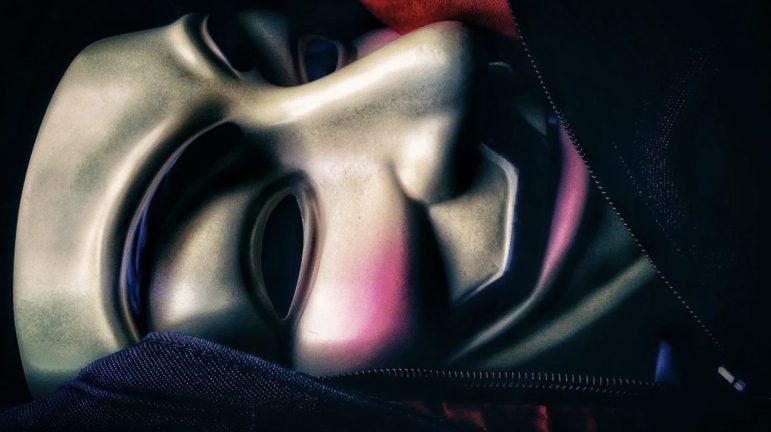
No longer simply the arch-villain of British history, Fawkes has become an enigmatic figure, straddling the line between villain and anti-hero. Today, he’s as likely to be seen as a mask of defiance worn by anti-establishment protesters as he is as a “Guy” on the bonfire. In fact did you know the word “guy” in reference to a man today, is from Guy Fawkes himself.
In 2002, he was even voted the 30th greatest Briton of all time, a testament to the strange blend of intrigue, infamy, and reluctant admiration that his name evokes.
This November 5th, as fireworks light up the sky, remember the man who dared to defy the Crown, the plot that almost shook Britain to its core, and a night that has, ironically, become a celebration of British resilience and tradition.
Remember, Remember, the 5th of November words:
Remember, remember, the 5th of November,
Gunpowder, treason and plot.
I see no reason
Why gunpowder treason
Should ever be forgot.
Guy Fawkes, Guy Fawkes, ’twas his intent
To blow up the King and the Parliament
Three score barrels of powder below
Poor old England to overthrow
By God’s providence he was catch’d
With a dark lantern and burning match
Holler boys, holler boys, let the bells ring
Holler boys, holler boys
God save the King!