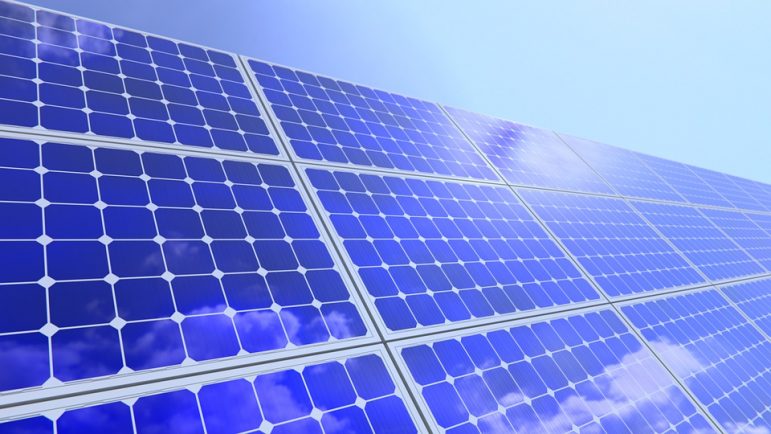
When it comes to solar energy, the amount of sunlight an area receives can make a big difference. While solar panels don’t need scorching heat to work effectively, more daylight hours do boost efficiency and energy generation. So where in the UK do solar panels work best?
Using sunshine hour data and regional solar performance figures, we’ve ranked the sunniest UK regions – and revealed why they’re ideal locations for making the most of solar power.
Why Sunlight Matters for Solar Panels
Solar panels convert sunlight into electricity using photovoltaic (PV) cells. They don’t need high temperatures – just consistent daylight. That means areas with longer sunshine hours often see higher solar yields, making the return on investment even more appealing for homeowners and businesses.
Of course, modern panels are effective across the UK, even in cloudier areas. But in the sunniest regions, their potential is maximised – both in terms of power generation and long-term energy savings.
The Sunniest Regions in the UK
Based on Met Office climate data and regional solar PV performance statistics, here are the UK regions with the highest average annual sunshine hours:
1. South East England
This region enjoys the highest number of annual sunshine hours in the UK – often exceeding 1,600 hours per year. With its warm summers and relatively dry climate, places like Eastbourne and Brighton are prime locations for solar investment.
2. South West England
Home to Cornwall, Devon, and Somerset, the South West sees consistently high sunshine hours and is known for its early adoption of solar technologies. Many rural and coastal properties benefit from minimal shading and generous roof space.
3. East of England
Norfolk, Suffolk, and Cambridgeshire boast high solar yields thanks to low rainfall and long daylight hours. The region has seen a steady rise in both residential and commercial solar uptake.
4. London
London combines above-average sunshine hours with high energy costs, making solar panels a particularly attractive option for homeowners. While space can be limited, flat rooftops on urban properties offer good installation opportunities.
5. East Midlands
With relatively flat terrain and decent sunshine, areas like Lincolnshire and Leicestershire have proven effective for both small-scale solar and larger solar farms.
6. Wales (South Coast)
South Wales, especially along the coast, benefits from good exposure to sunlight. Local councils in Cardiff and Swansea have introduced various solar initiatives for public buildings and social housing.
7. Yorkshire and the Humber
Parts of North Yorkshire enjoy surprisingly high sunshine hours compared to their northern neighbours. Local energy co-ops have contributed to increased adoption of solar.
8. Northern Ireland (South and East)
While overall sunshine hours are lower than the southern parts of England, Eastern Northern Ireland receives the most daylight in the region and is seeing increasing interest in renewables.
9. North West England
Although known for its wetter climate, parts of Lancashire and the Cumbrian coast get decent solar exposure. The region is improving solar adoption through council-led retrofit schemes.
10. Scotland (South and East)
Areas such as Edinburgh and Dumfries & Galloway lead the way in Scotland for solar suitability, with longer summer daylight and active government support for renewables.
What the Experts Are Saying
George Penny, Director of The Solar Co, explains why sunshine hours are just one part of the solar success equation:
“While the number of sunshine hours plays a role, advances in solar technology mean that panels are now highly efficient even on cloudy days. That said, areas with higher solar yields naturally see quicker returns. We always advise homeowners to look at both their property’s orientation and their local climate – because the right setup can make a big difference.”
Other Factors That Influence Solar Performance
It’s not just about how sunny your region is. Other important considerations include:
- Roof orientation – South-facing roofs typically generate the most power.
- Shading – Trees, chimneys, or nearby buildings can reduce effectiveness.
- Roof angle and space – The pitch and size of your roof affect how many panels you can install.
- Local incentives and tariffs – These vary across councils and regions.
Even in parts of the UK with lower sunshine hours, solar can still be a smart investment – particularly when paired with battery storage systems.
Making the Most of the Sun Where You Live
No matter where you are in the UK, solar panels are becoming an increasingly viable way to lower your energy bills and reduce your carbon footprint. But if you live in one of the regions above, you’re in an especially strong position to maximise performance and returns.