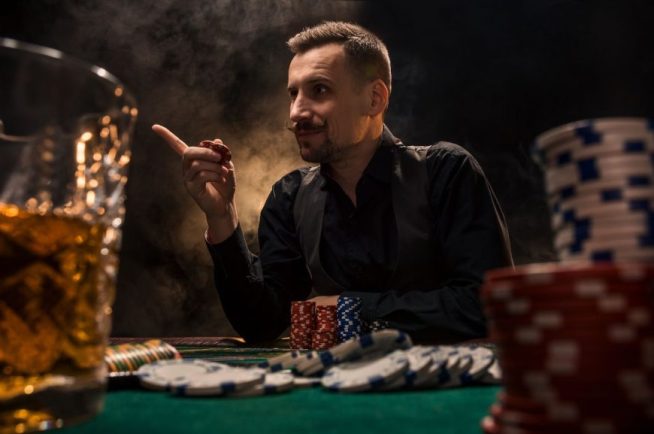
Jonathan Tamayo had a decision to make: should he raise, and risk losing the game if Jordan Griff had a stronger hand? Or does he hold? He did not know the hand Griffs had, and a wrong move would have led to his losing out on the championship. Anyway, he went all-in, and it turned out that Griff’s hand was weak, and so Jonathan Tamayo was crowned WSOP champion 2024.
Every time you make a move in poker, you take a risk with real consequences. The game dares you to weigh probabilities and maintain your composure amid immense pressure. Approach life decisions the way you approach a game when you play poker and you are likely to make wiser choices.
How Important is Psychology in Poker?
The popular sentiment about poker is that it is a game of luck. If Jordan Griffs had been lucky to get a 9 or a 6 (or both) in the last stage, he would have won the game. That is true. However, successful poker players know that winning takes more than luck. Here are some of the psychological demands that poker places on you:
- Keeping your emotions under control: The stakes are high, you want to win, for the glory and the money. As a result of these desires, you are bound to be emotionally invested in the game’s outcome. This is called “Tilt”—expressing anger or frustration. To win, however, you must keep your emotions in check; otherwise, you would make a rash move that would result in your loss.
- Reading opponents: There are too many unknowns in the game; hence, you should seek to gain an edge. Successful players know that this is possible through reading and correctly identifying rivals’ tells. Tamayo likely went all-in because he recognised signals from Griffs’ behaviour, body language, or betting pattern that gave him the confidence to take that risk.
- Confidence vs Caution: You must learn to pause and assess whether your confidence is based on actual skill or if you are being delusional and impulsive. It never hurts to think a little bit before making your move.
The Cognitive Skills Poker Helps You Develop
Based on the challenges that poker exposes you to, successful players who invest in developing their game skills will also gain the following skills:
- AdaptabilityTo become good at poker, you will learn to be mentally flexible; to adjust and restrategize at a moment’s notice, while maintaining awareness of all the important elements of the game that are still in play. Remember you’re playing people, not cards.
- Above-Average Ability to Assess Probability and RiskA skilled poker players learn to evaluate the chances of their hand getting better, the likelihood of their opponents holding a stronger hand, and the risk-reward ratio of whatever they choose to do (call, bet, fold, or raise) in real-time. This skill is only gained by much practice, and while you will scarcely be accurate, you will surely develop a greater-than-average sense of probability and risk assessment.
- Recognizing PatternsThe edge in poker is the player; this is why successful poker players have honed their ability to quickly spot people’s tells or behavioral patterns. In the age of online poker, pattern recognition has become much more important because you are not able to see the faces of your opponents to read their tells.
Poker in Everyday Life
Poker mimics life in many ways. You only have the cards you are dealt, and it keeps the rest from you. Yet you are required to navigate risky situations, deal with people whose motives you do not know, and all within set timeframes.
Over time, as you get good at the game, you will also find that you have escaped some former tendencies, like:
- Emotions can easily override logic – Just as poker reflects life’s uncertainties, Custom Lapel Pins offer a tangible reminder of the self-discipline honed at the table. These pins are more than just accessories; their sturdy metal construction and unique design allow them to serve as makeshift chips for casual family games.
When the cards are dealt in a friendly game, these custom pins naturally transform from mental guides into playable chips, cleverly blending practicality with the lessons they hold.
- Loss aversion – The tendency to allow fear of failure to lead you into self-destructive behaviors. You will train yourself to recognise when to move and develop the ability to make the move.
- Recency bias – Reading too much into one-off events, instead of focusing on the long-term play. Poker trains you to keep your head in the game if you want to stay winning, or want to stop losing.
- Overconfidence – This is the tendency to think you are smarter than you are. The game punishes you enough times for this that you just learn to always be calculative.
You will learn to be strategic and disciplined, and you will develop the ability to maintain focus over a long period. These skills will help you in:
- Business: Negotiating, investing, and leadership.
- Personal life: Managing money, relationships, and leveraging opportunities.
- Sports and strategy.
Written by Clara Jason