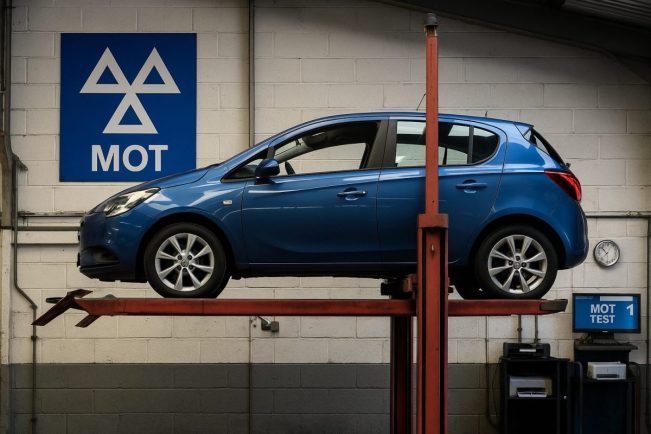
MOT backlogs in the UK are still causing problems because of ongoing issues with equipment, staff shortages, and disruptions from the Covid-19 pandemic.
Many drivers are finding it harder to book MOT tests on time, which puts pressure on both motorists and testing centres.
This has even led to some areas offering one-year exemptions to help manage the delays.
You may have noticed longer waiting times or difficulty finding appointments for your vehicle’s MOT. In places like Northern Ireland, problems such as broken testing equipment and increased demand have made the situation worse.
Understanding MOT Backlogs in the UK
MOT testing delays have affected many drivers, garages, and the wider motor trade. These backlogs can make it harder to keep vehicles legally on the road and can increase pressure on testing centres.
What Caused the MOT Backlog
The main cause of the current MOT backlog was the six-month extension offered by the government during the Covid-19 pandemic in 2020. This extension let many vehicles skip their MOT test dates, which led to a large spike in demand the following year.
Garages and MOT centres had fewer staff and faced strict safety rules during lockdowns, which slowed down the number of tests that could be completed. A shortage of essential parts and fewer authorised testers only added to the problem.
Right now, some affected regions, like London, are struggling even more due to a rise in vehicles, not enough authorised testing centres, and delays in getting parts.
Scale and Extent of Current Backlogs
Many MOT centres across the UK are now facing a heavy workload. The huge surge in vehicles needing testing has led to thousands of drivers scrambling for available slots. In some cases, people are waiting weeks, sometimes months, for an appointment.
Because of ongoing demand, the government has allowed a one-year exemption in some situations, offering relief to drivers facing long waits. The backlog affects both urban and rural areas, but cities with more cars and fewer garages, like London, have been hit especially hard.
For garages, this means longer working hours and more stress on staff. For you as a driver, it means you need to plan your MOT well ahead of your due date to avoid potential gaps in your vehicle’s legal status.
Key Factors Contributing to Ongoing MOT Delays
MOT backlogs in the UK continue due to a mix of unresolved issues. Testing sites are still struggling to manage heavy demand and a limited number of appointments.
Impact of the Pandemic on MOT Testing
The Covid-19 pandemic forced most MOT testing centres to close for months. This created a significant backlog as thousands of tests were postponed or missed entirely.
When centres reopened, new health and safety rules slowed down how many vehicles could be checked each day. Social distancing and cleaning requirements meant longer turnaround times between tests.
Some areas are now facing wait times of up to six months to get an MOT appointment. These delays are affecting both drivers and garages, making it difficult for the industry to catch up even years after the initial lockdowns.
Limited Testing Capacity
A major factor is the limited number of authorised MOT testing stations. Many garages are short-staffed, and some facilities have had to close temporarily due to problems with equipment, such as cracked lifts or delays in getting essential parts.
As a result, drivers may miss their deadline for renewing their MOT.
Demand Surges and Seasonal Pressures
MOT demand is not evenly spread throughout the year. Many vehicles are tested at the same time due to a surge in first-time registrations during certain months. This creates major seasonal backlogs, especially in spring and autumn.
The high number of vehicles needing tests all at once makes the delays worse. When this happens, drivers may struggle to book a slot and could risk driving without a valid certificate.
Wider Effects of MOT Backlogs on Drivers and Communities
The current MOT backlog in the UK affects drivers and entire communities in more ways than just delayed appointments. It causes real safety risks, financial problems, and deeper issues for families who depend on every pound saved.
Safety and Roadworthiness Concerns
When you cannot get a timely MOT, you may end up driving vehicles that have not been checked for faults. As a result, cars with worn brakes, broken lights, or worn-out tyres might stay on the road, increasing the risk of accidents.
Public reports show that up to one in ten drivers never have their cars properly serviced during the year, which makes the roads more dangerous for everyone around you. If many local vehicles become unsafe, your community faces a bigger chance of accidents and injuries.
Local authorities are worried about a critical impact on safety from these delays. Community members who rely on community buses or taxis are at risk if those vehicles are not roadworthy due to missed MOTs.
Financial Impact on Vehicle Owners
MOT delays mean you might not be able to sell your car on time, renew your road tax, or even keep your job if you rely on your car for work. If your MOT expires, you could face fines or be forced off the road, which might mean losing out on essential income.
Some drivers pay extra for private tests or travel further afield just to get their MOT done. These unexpected costs make a dent in your household savings and can upset your budget for the month. For homeowners and others who commute, any forced downtime of their car can mean extra costs, such as public transport fares or missed appointments.
Efforts and Solutions to Resolve MOT Testing Delays
Long waiting times for MOT tests have led to frustration among drivers. Several groups are taking action, and there are practical steps you can take if you are affected.
Government and Industry Response
The government and the Driver and Vehicle Agency (DVA) have started new measures to deal with the backlog. New proposals are in place, such as using extra staff and keeping test centres open for longer hours. This helps more vehicles get tested each week.
Some regions are working with designated garages to help with testing. These partnerships aim to reduce wait times by allowing approved local garages to perform MOT tests alongside official test centres.
The DVA also tracks average waiting times and reports them. In some areas, the average wait is about 72 days, which shows the need for continued intervention. Funding has been allocated to pay for overtime, hire temporary staff, and update equipment, helping improve the flow of MOT tests.
Advice for Affected Vehicle Owners
If you are waiting for a test, you may be eligible for a one-year MOT exemption in certain circumstances. This gives you more time while you wait for an appointment. Always check the official government website or contact your local MOT test centre for current advice.
Keep your vehicle repaired and roadworthy, even if your MOT is delayed. If your car is unsafe or has serious faults, you should not drive it until those issues are fixed.
By William Fletcher