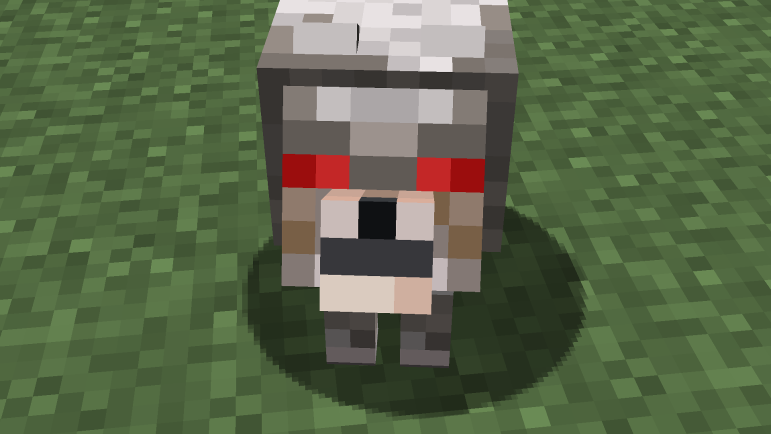
Wolves add personality to any Minecraft world. They guard bases, follow players into caves, and turn lonely exploration into something social. But recent updates expanded their diversity, and that change affects both gameplay and server performance. Understanding how wolf variants minecraft systems work helps you control entities without performance loss.
Wolves have long been part of Minecraft’s world, growing more diverse with recent updates. Since then, the game has expanded their design. Recent versions introduced biome-specific appearances, giving wolves different looks depending on where they spawn. According to official Minecraft documentation, these variations are tied directly to biome conditions and regional generation rules.
That means more data tied to biome generation and spawning logic.
Darwin believed that those who adapt survive. Minecraft follows that pattern too, constantly changing and expanding with each update.
How Wolf Variants Change the World
The modern minecraft wolf no longer looks identical everywhere. Forest, snowy, taiga, and savanna regions now produce different appearances. These biome-linked variations are cosmetic, but they depend on location-based generation rules.
Biome diversity increased significantly after the 1.18 terrain update. Expanded cave systems and deeper worlds created more spawn calculations. When players travel widely searching for rare wolf variants minecraft types, they load new terrain rapidly.
Each loaded chunk triggers:
- Terrain calculation
- Biome assignment
- Mob spawning checks
- AI initialization
Add several players traveling in different directions, and the strain becomes visible. Mojang’s technical notes confirm that mob spawning depends on biome data and light conditions.
The broader the exploration range, the heavier the background work.
Taming, AI, and Hidden Load
A single wolf minecraft companion feels lightweight. A pack of twenty guarding a base is different. Tamed wolves constantly track their owner, calculate pathfinding routes, and respond to threats.
AI-driven companions require continuous processing. Path recalculations happen when terrain changes or when combat starts. On small servers this is manageable. On multiplayer worlds with farms, villagers, and redstone systems, the added load compounds.
Consider these best practices:
- Limit large wolf packs in shared bases
- Avoid mass breeding in tight spaces
- Spread entity-heavy builds across chunks
- Monitor TPS during PvE events
Simple adjustments protect both immersion and stability.
Exploration and Infrastructure
Searching for biome-specific wolf variants minecraft textures encourages long-distance travel. Players cross forests, frozen peaks, and badlands in a single session. Each biome border forces recalculation.
This is where infrastructure makes the difference.
Do not choose hosting based on price alone. Stability matters more. Servers with strong single-thread CPU power process AI logic much more smoothly. NVMe storage speeds up chunk loading. Stable routing prevents sudden latency spikes.
That is exactly why serious administrators perform a minecraft hosting platforms comparison before launching public worlds. Hardware quality directly affects exploration-heavy gameplay.
According to performance discussions in the PaperMC documentation, chunk generation and entity management are among the most resource-intensive background tasks.
Peter Drucker once wrote, “The best way to predict the future is to create it.” Choosing reliable infrastructure prevents future instability.
Balancing Variety With Performance
The introduction of biome-based wolves enriches gameplay. Visual diversity increases immersion. Players enjoy collecting and showcasing rare types.
Yet balance matters.
The minecraft wolf system works smoothly when exploration is paced and entity counts remain controlled. Avoid loading vast distances at once. Coordinate biome hunts during off-peak hours. Pre-generate terrain if your server allows it.
Variety adds depth. Moderation keeps things stable.
Conclusion: Play Smart, Host Smarter
Wolves make Minecraft worlds feel alive. The expanded wolf variants minecraft system adds creativity and personalization. But exploration, spawning, and AI behavior all carry computational weight.
Control entity numbers. Spread activity across sessions. Invest in reliable infrastructure.
A stable server lets players enjoy every wolf minecraft companion without worrying about lag.
In the end, great multiplayer experiences depend on thoughtful balance — between creativity and control, variety and performance, ambition and preparation.
Article written by Martin Johnson