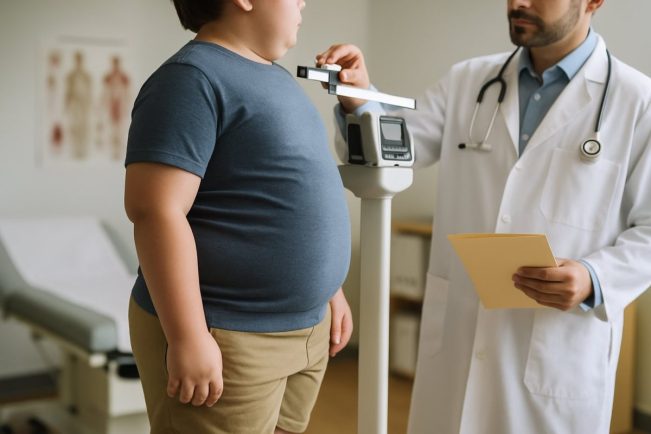
Newly released national data has revealed the scale of childhood obesity in England, prompting the Health and Social Care Secretary to insist that the government “won’t look away as kids become unhealthier” as it rolls out a series of public health measures.
Figures from more than 1.1 million children measured in state-maintained schools during the 2024/25 academic year show that while most children are a healthy weight (75.4% in reception and 62.2% in year 6), 10.5% of reception-age children and 22.2% of year 6 pupils are living with obesity.
Excluding the pandemic peak, reception obesity levels are now at their highest since records began in 2006–07.
The data also highlights stark inequalities. Children from Black ethnic groups are more likely to be living with obesity, and prevalence in the most deprived areas is more than double that in the least deprived – 14.0% versus 6.9% in reception and 29.3% versus 13.5% in year 6.
A package of measures is now being implemented, including restrictions on junk food advertising, limits on high-caffeine energy drink sales, expanded free school meals, and universal free breakfast clubs.
Health and Social Care Secretary Wes Streeting said:
“This government will not look away as kids get unhealthier and critics urge us to leave them behind. Obesity robs children of the best possible start in life, sets them up for a lifetime of health problems, and costs the NHS billions.
“Today’s figures show the extent of the problem and the need to act now, which is exactly what we’re doing – in schools, on sports pitches, and online – to make healthy choices the easy choices, support families, and turn the tide on childhood obesity. This is prevention, not punishment, and will help families and children across the country.”
Under the new rules, junk food and drink advertising will be restricted before 9pm on television and online, a move expected to remove up to 7.2 billion calories a year from children’s diets. Promotions such as “buy one get one free” on less healthy foods have also been curbed, with projected health benefits valued at £2 billion and estimated NHS savings of £180 million over 25 years.
The government is consulting on a ban on selling high-caffeine energy drinks to under-16s. Around 100,000 children consume at least one such drink daily, and evidence links them to poorer physical health, mental health, sleep, and educational outcomes. The ban could prevent obesity in up to 40,000 children.
Further measures include improving the system used to categorise less healthy foods, requiring large businesses to report on the healthiness of their sales, and introducing new targets. In August, new guidelines were issued for baby food manufacturers to cut sugar and salt and improve labelling within 18 months.
Professor Simon Kenny, NHS National Clinical Director for Children and Young People, said:
“These figures are extremely concerning – obesity can have a devastating impact on children’s health, increasing their risk of type 2 diabetes, cancer, mental health issues, and many other illnesses, which can sadly lead to shorter and unhappier lives.
“The NHS is transforming the lives of thousands of children and families impacted by severe weight issues through its specialist clinics… but prevention is key and continued joined-up action by industry and wider society is essential if we want to improve the health of our younger generations.”
At school level, free meals are being expanded to all pupils in households receiving Universal Credit, a move the government say will “benefit more than half a million additional children and lift 100,000 out of poverty”. Every primary school pupil will also have access to a free healthy breakfast. The government say it will revise school food standards to ensure consistency across the country.
Early Education Minister Olivia Bailey said:
“We are determined to make every school a place where children can access healthy, nutritious meals and be supported to live an active, healthy life.
“Whether it’s nutritious breakfasts in our new free breakfast clubs, or healthy free school meals for 500,000 more children we are determined to give every child the best start in life.”
To increase physical activity, at least £400 million will be invested in grassroots sports facilities. New School Sports Partnerships and an Enrichment Framework will also be introduced, alongside publicly available “school profiles” to inform parents about what their child’s school offers.
Image: For illustration purposes only