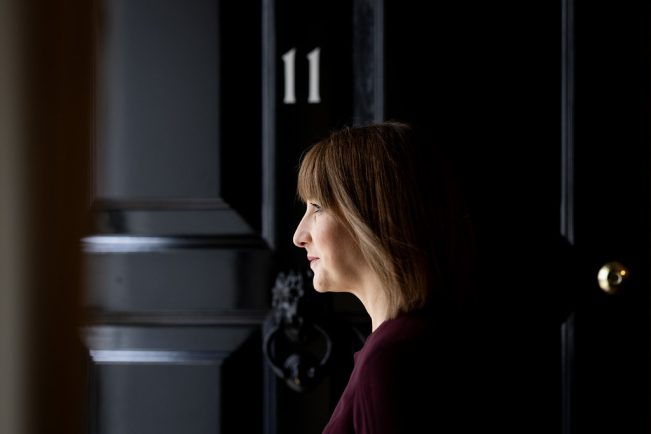
Chancellor Rachel Reeves will deliver her second Budget on Wednesday, with households and businesses bracing for a fresh round of tax increases as the Government attempts to close a significant gap in the public finances.
After weeks of shifting briefings and speculation from the Treasury, economists say the run-up to this fiscal statement has been one of the most disorderly in years.
Some analysts warn that this uncertainty has already weighed on confidence, creating what they describe as a “paralysis” among consumers and firms. Commons Speaker Sir Lindsay Hoyle has also criticised what he called the “hokey cokey” nature of the Budget process, following Reeves’ rapid reversal earlier this month on proposed changes to income tax.
The Chancellor had initially laid the groundwork for an increase in income tax rates, however she later abandoned the plan. Instead, she is expected to assemble a wide-ranging package of alternative tax increases, aimed at raising billions of pounds to stabilise the public finances.
According to Treasury insiders, these are the measures most likely to feature in Wednesday’s announcement. These remain informed predictions based on government leaks, but please note the final details will only be confirmed when the Chancellor delivers the Budget tomorrow.
Income Tax Threshold Freeze Extended
Reeves is anticipated to extend the freeze on income tax thresholds by two years, taking the end date to 2030. National Insurance thresholds are also expected to remain unchanged.
The combined freeze could raise roughly £8 billion, primarily through fiscal drag, as rising wages push more workers into higher tax bands. The existing threshold freezes were due to end in 2028.
Minimum Wage Rises
Reeves is expected to confirm that the minimum wage for workers aged 21 and over will increase by around 4.1 per cent, taking the rate to approximately £12.71 an hour.
The Low Pay Commission has also reportedly recommended an eight per cent rise for 18 to 20 year olds, up from the current £10 per hour. Labour previously pledged to align minimum wage entitlements for all adults.
A ‘Mansion Tax’ on High-Value Homes
A new levy on high-value properties is expected to be one of the major measures. The charge, estimated at around £4,500 annually for affected households, would be collected through council tax bills.
Officials believe more than 100,000 properties could be subject to the charge, potentially raising about £450 million for the Treasury. The plan is understood to involve a revaluation of top council tax bands, with options allowing payment to be deferred until a property is sold or inherited.
Property experts warn that the move risks cooling the housing market at a time when the Government is seeking to accelerate housebuilding.
Electric Vehicle Pay Per Mile Charge
A new charge of 3p per mile for electric vehicles is under discussion, designed to compensate for the long-term decline in fuel duty revenue as drivers switch away from petrol and diesel. The charge could add around £276 a year to the typical EV owner’s costs, and raise an estimated £375 million annually.
Alongside the levy, Reeves is expected to inject £1.3 billion into EV purchase grants, which currently provide up to £3,750 off the price of a qualifying vehicle. An additional £200 million is expected to be allocated to expanding the UK’s charging infrastructure. Industry figures warn that imposing new running costs could slow the transition to electric vehicles.
Crackdown on Pension Salary Sacrifice Schemes
Significant changes to workplace pension taxation are expected, with the Chancellor targeting savings from salary sacrifice arrangements that are widely used in the private sector.
The Treasury is reportedly aiming to raise between £3 billion and £4 billion by capping or sharply limiting the amount of salary that employees can exchange for pension contributions. This is far above the £2 billion saving initially considered earlier this year.
Employer groups warn that such a move could leave workers with smaller pension pots, and raise payroll costs that many businesses say they cannot absorb.
VAT on Private Hire Journeys, the ‘Taxi Tax’
The Treasury has declined to rule out applying 20 per cent VAT to private hire fares outside London. Such a measure could raise about £750 million a year, but it would increase the cost of an average £12 journey by £2 to £3.
Women’s safety campaigners have urged ministers not to proceed, warning that higher fares could deter vulnerable passengers from taking taxis at night.
End of the Two Child Benefit Cap
One of the most politically contentious measures is expected to be the scrapping of the two child limit on Universal Credit and child tax credit. Removing the cap entirely would cost around £3.5 billion a year.
Labour MPs and charities have long pushed for the change, however critics argue that expanding welfare support at a time of rising taxes is financially irresponsible.
Working age benefits, including Universal Credit, PIP, and child benefit, are also expected to rise in line with inflation, adding around £6 billion to government spending.
Cash ISA Allowance Cut
The annual allowance for tax free cash ISAs is expected to be reduced from £20,000 to £12,000. Reeves hopes the change will encourage more savers to invest in stocks and shares.
However, MPs on the Treasury Committee warn that this change could reduce the availability of retail savings that building societies rely on, potentially weakening mortgage market competitiveness.
Extending the Sugary Drinks Levy to Dairy Based Drinks
Reeves is expected to end the current exemption for dairy based drinks under the Soft Drinks Industry Levy. The tax is currently applied to beverages containing five grams of sugar per 100 millilitres or more. Proposals under consideration would not only extend the levy to milkshakes, but also lower the threshold to four grams.
The Government believes the change could raise substantial revenue, although nutrition groups warn that it could discourage children from consuming calcium rich drinks.
Higher Taxes on Betting Companies
The Chancellor has suggested that gambling companies may face higher taxes, following calls from former Prime Minister Gordon Brown to extract more revenue from what he has described as an “undertaxed” sector.
The Betting and Gaming Council argues that such increases would be “economically reckless”, and could drive consumers towards unregulated black market operators.
A Budget of Difficult Trade Offs
Tomorrow’s statement is set to be one of the most closely watched Budgets in recent years, as the Chancellor attempts to balance rising welfare demands with the need to stabilise the public finances. With expectations of a wide array of tax increases, Reeves faces the challenge of convincing voters and businesses that her decisions will support long term growth, while bringing clarity after months of fiscal uncertainty.
The Budget statement on Wednesday 26 November 2025 is scheduled to begin at 12:30 pm (UK time), immediately after House of Commons Prime Minister’s Questions.